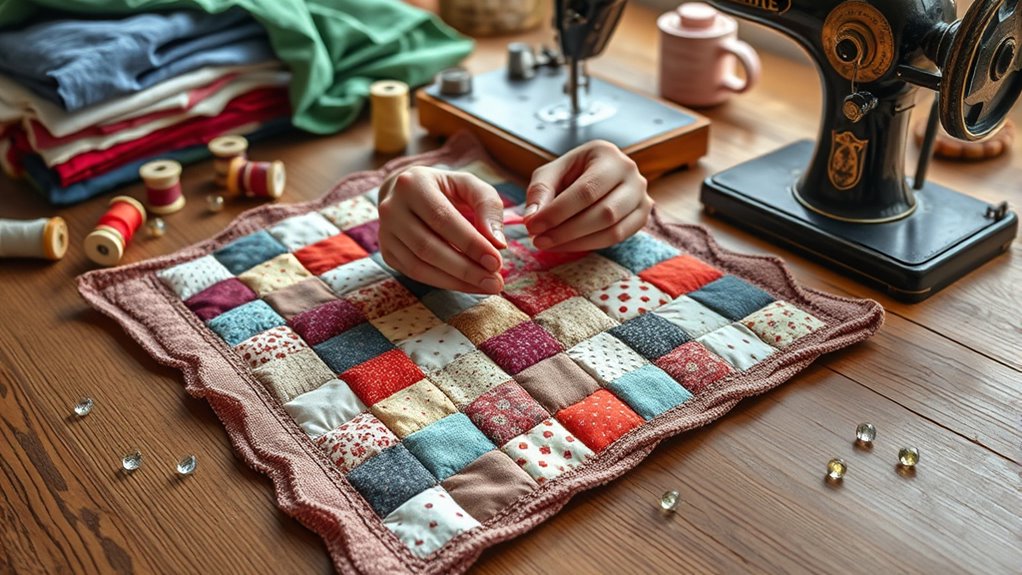
DIY Guide to Make a Weighted Quilt
If you’ve ever struggled to get a good night’s sleep or find yourself tossing and turning with anxious thoughts, you’re not alone. Many people long for deeper rest or a comforting way to unwind after a stressful day.
That’s why more and more people are turning to weighted quilts for relaxation and better sleep. If you’re curious about creating your own, we’ve got you covered with this DIY weighted quilt guide.
Creating a weighted quilt is a fun and rewarding DIY project that can improve your relaxation experience.
Start by choosing soft, durable fabrics and the right filling, like glass beads for ideal weight.
Aim for about 10% of your body weight for comfort, and follow a step-by-step process to guarantee even weight distribution.
Don’t forget to add personal touches and take care of your quilt.
Uncover more tips to make your quilt truly unique and effective!
Key Takeaways
- Choose soft, durable fabrics like cotton or minky. Think about how colors can affect your mood and pick shades that feel right for you.
- Aim for a quilt weight of around 10% of your body weight. This helps ensure the most comfortable experience.
- Cut, pin, and sew your fabric layers. Make sure to spread the filling materials evenly so the weight feels balanced throughout the quilt.
- Personalize your quilt with patterns and colors you love. Keep the batting smooth and the binding neat for a polished finish.
- When it comes to cleaning, use gentle methods. Store your quilt properly to help maintain its quality and make it last longer.
Choosing the Right Fabric for Your Weighted Quilt
When you’re choosing the right fabric for your weighted quilt, consider both comfort and durability.
You want a soft, cozy material that feels great against your skin, but it also needs to stand up to frequent use.
Look for fabrics like cotton or minky, which offer a balance of comfort and fabric durability.
Consider fabrics like cotton or minky for a perfect blend of comfort and durability in your weighted quilt.
Don’t overlook color psychology, either.
The colors you choose can notably impact your mood.
Soft blues and greens promote calmness, while warm tones like reds and oranges can energize a space.
Think about how you want your quilt to make you feel when you use it.
Choosing the right fabric isn’t just about looks; it’s about creating a comforting, durable piece that improves your well-being.
So, take your time, feel the fabrics, and visualize how they’ll fit into your life.
You’ll be glad you did.
Essential Materials Needed for Your Quilt
Now that you’ve picked out the perfect fabric, let’s pull together all the essential materials for your weighted quilt. First off, think about the different fabric choices available—you want something that feels good and will hold up over time. Then, consider the filling options; the weight and type of filling will really affect how your quilt turns out. Of course, you’ll also need a few sewing tools to help everything come together as smoothly as possible.
Let’s walk through everything you’ll need to make your cozy, weighted quilt a reality.
Fabric Choices For Quilting
Choosing the right fabric for your weighted quilt is essential, as it affects both the quilt’s aesthetics and functionality. Start by considering fabric durability; you’ll want materials that can withstand regular use and washing.
Cotton is a popular choice for its breathability and strength. It’s easy to work with and holds up well over time.
Next, think about color selection. Choose colors that resonate with you and fit your space. Whether you prefer calming neutrals or vibrant patterns, make sure the colors work well together.
Also, consider the fabric’s texture. Softness is key for comfort, especially since your quilt will be in close contact with your skin.
Filling Options Explained
As you immerse yourself in creating your weighted quilt, selecting the right filling is essential for achieving the desired weight and comfort.
Common filling materials include glass beads, plastic pellets, and even natural options like rice or sand. Glass beads are popular for their weight and smoothness, while plastic pellets offer a more affordable choice.
When using filling techniques, consider the quilt’s design. You can distribute the filling evenly for a balanced weight or create pockets to localize the weight.
Whichever method you choose, guarantee the filling is securely stitched to avoid shifting. Testing different materials and techniques can help you find the perfect combination for your unique quilt, enhancing both comfort and functionality.
Essential Sewing Tools Needed
Before diving into your quilt project, gathering the right sewing tools is vital for a smooth crafting experience.
First, you’ll need a reliable sewing machine to stitch everything together efficiently. Choose one with adjustable stitch settings for flexibility in your design.
Next, don’t forget your fabric scissors; they’re important for making clean, precise cuts. A rotary cutter can also be handy for straight edges.
You’ll want a measuring tape to guarantee accurate dimensions and a quilting ruler for straight lines. Pins or clips are vital for holding layers together, while a seam ripper will save you if you need to fix mistakes.
With these tools in hand, you’re all set to create your beautiful weighted quilt!
How to Choose the Right Weight for Your Quilt?
When you’re picking out the right weight for your quilt, it’s a good idea to start by thinking about your own body weight. A simple rule to follow is to choose a quilt that’s about 10% of what you weigh. This helps make sure the quilt feels just right—not too heavy or too light.
It’s also important to take a look at the size of the quilt. You want to be sure it covers you comfortably and fits your bed the way you like. That way, you’ll end up with a quilt that’s cozy, supportive, and perfect for your needs.
Consider Body Weight
When considering the right weight for your weighted quilt, it’s important to factor in your body weight.
A general rule of thumb is to choose a quilt that’s about 10% of your body weight. This balance helps guarantee you feel snug and secure without feeling overwhelmed.
If you weigh 150 pounds, for example, aim for a quilt that weighs around 15 pounds.
However, personal comfort plays a vital role, too. Some people prefer a lighter or heavier feel, so don’t hesitate to adjust the weight based on your preferences.
Testing different weights can help you find that sweet spot, assuring a restful sleep experience.
Prioritize what feels best for you, and enjoy the cozy acceptance of your handmade quilt!
Evaluate Quilt Size
How do you determine the right size for your weighted quilt?
Start by considering your quilt dimensions. A standard blanket size can work, but you might want a larger quilt for full coverage.
Think about how you’ll use it, whether on your bed, couch, or while traveling.
Next, weigh size considerations against your body weight.
A quilt should typically be around 10% of your body weight for maximum comfort.
If you’re making a quilt for someone else, consider their preferences and size needs.
Don’t forget to account for shrinkage, especially if you’re using cotton fabrics.
Measure carefully, and verify your quilt dimensions fit your lifestyle.
This way, you’ll create a cozy, personalized weighted quilt that meets all your needs!
Step-by-Step Instructions to Assemble Your Weighted Quilt
Assembling your weighted quilt can be a rewarding project, and with just a few simple steps, you’ll create a cozy addition to your home.
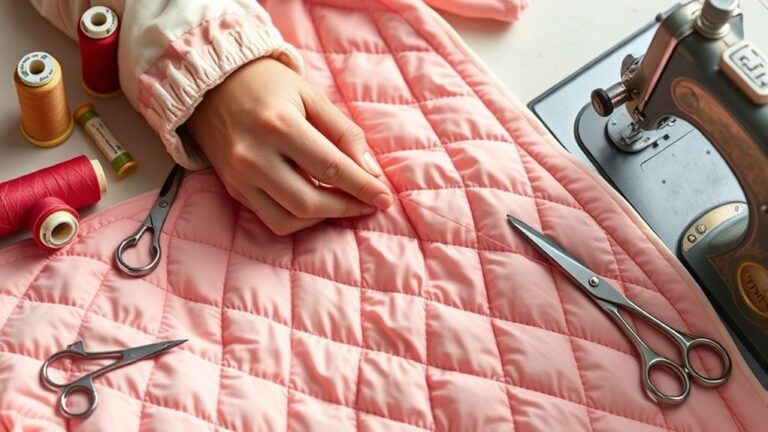
Start by laying out your chosen fabric, ensuring it’s durable enough to withstand use and washing. Cut your top and bottom layers to the desired size, allowing for seam allowances. If you’re using batting, cut it to the same dimensions.
Next, place your top fabric right side up, followed by the batting and bottom fabric right side down. Pin these layers together, aligning the edges for a clean finish.
Sew around the perimeter, leaving a gap for turning. Turn the quilt right side out and press the edges for a polished look.
Finally, topstitch around the edges to improve quilt aesthetics and secure the layers. Now you’re ready to add weight in the next steps, ensuring your quilt is both functional and beautiful!
Techniques for Evenly Distributing Weight in Your Quilt
Even distribution of weight is essential for a well-functioning weighted quilt. To achieve this, you can use several effective weight distribution methods.
Start by evenly spacing your filling materials, like glass beads or plastic pellets, across the quilt. This helps prevent any heavy spots that can disrupt the quilt’s balance.
Next, consider the size of your quilt squares. Smaller squares allow for better weight distribution, as they help keep the filling in place and minimize shifting.
When you’re sewing, make sure to check that the layers are balanced. This will guarantee that the weight is consistently spread throughout.
Finally, regularly adjust the filling as you work to maintain evenness. By focusing on these techniques, you’ll create a cozy quilt that not only looks great but also provides the calming pressure you desire.
Happy quilting!
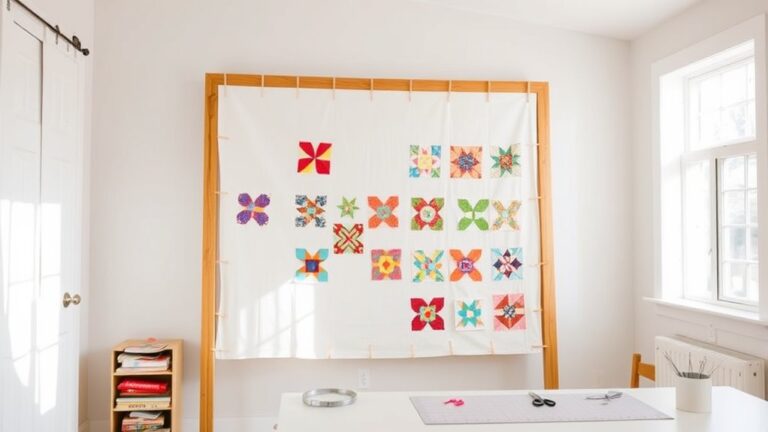
Incorporate Your Style With Patterns and Colors
Creating a weighted quilt isn’t just about functionality. It’s also an opportunity to express your personal style through patterns and colors.
Choosing the right color combinations and exploring pattern mixing can enhance your quilt from ordinary to extraordinary.
Here are some tips to help you incorporate your unique style:
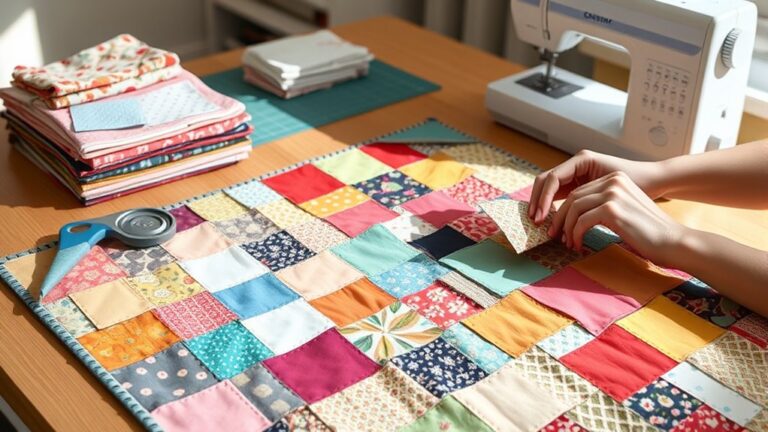
- Choose a color palette: Pick a harmonious color scheme that reflects your personality.
- Mix patterns thoughtfully: Combine florals with geometric designs for a vibrant look.
- Consider scale: Pair larger patterns with smaller ones to create visual interest without overwhelming.
- Use contrast: Bold colors against softer tones can make your quilt pop.
As you select fabrics, think about how each piece will work together. Your weighted quilt should not only provide comfort but also be a beautiful reflection of who you are.
Enjoy the creative process!
Quilting Tips and Finishing Touches
Once you’ve chosen your fabrics and colors, it’s time to focus on the essential quilting techniques and finishing touches that will improve your weighted quilt. Start by pre-washing your fabrics to prevent any shrinkage later.
When you layer your quilt, make certain that the batting is smooth and evenly distributed. For quilting techniques, consider using a straight stitch or a zigzag stitch to secure the layers. This not only adds strength but also creates interesting patterns.
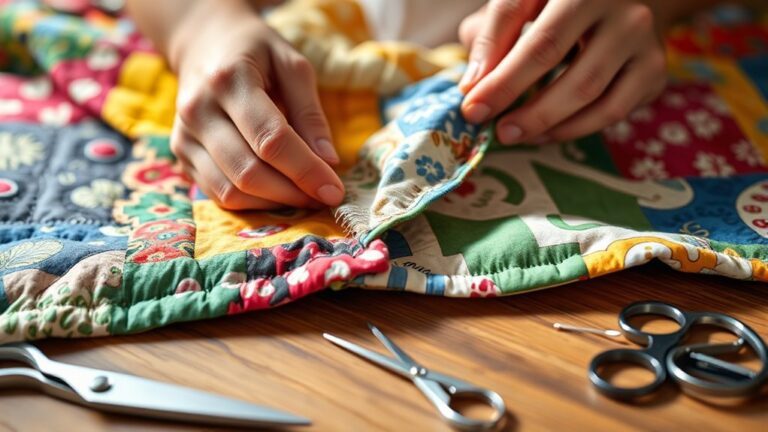
When it comes to finishing details, don’t overlook the importance of a clean binding. Choose a fabric that complements your quilt and sew it on with precision.
Finally, give your quilt a good press to eliminate any wrinkles. This attention to detail will give your weighted quilt a polished look and guarantee it’s as cozy as it is beautiful.
Enjoy the process, and remember to take your time!
Top Mistakes to Avoid While Crafting Your Weighted Quilt
When you’re making your own weighted quilt, it’s surprisingly easy to miss a few important steps that can really impact the finished product. For example, picking the wrong fabric might make your quilt uncomfortable or hard to care for. And if you don’t pay attention to how the weight is distributed, you could end up with lumpy or uneven spots that just don’t feel right.
It’s also important not to overlook safety—skipping safety checks can lead to issues down the road, especially if the quilt is for a child or someone with special needs. So, let’s chat about these common mistakes and figure out how to steer clear of them, so you can enjoy making a weighted quilt that turns out just the way you want.
Choosing Incorrect Fabric Type
Choosing the wrong fabric type can derail your DIY weighted quilt project before it even gets started.
Selecting the right material is vital for both comfort and functionality.
Here are some key factors to take into account:
- Fabric durability: Make sure the fabric can withstand regular use and washing.
- Texture considerations: Opt for soft, breathable materials that feel good against your skin.
- Weight compatibility: Choose fabrics that can support the added weight without tearing.
- Maintenance: Think about how easy the fabric is to clean and care for.
Skipping Proper Weight Distribution
If you overlook proper weight distribution, your DIY weighted quilt may not provide the soothing effect you’re aiming for.
Weight balancing is essential for creating a quilt that offers comfort and relaxation.
When you’re fabric layering, make sure that the weight is evenly spread across the quilt.
An imbalanced quilt can lead to discomfort and negate the benefits of a weighted design.
Here’s a quick guide to help you avoid mistakes in weight distribution:
| Mistake | Effect | Solution |
|---|---|---|
| Uneven weight pockets | Discomfort | Measure and fill evenly |
| Heavy on one side | Poor balance | Redistribute weight |
| Ignoring quilt size | Inconsistent feeling | Match weight to size |
| Wrong filling material | Unnatural feel | Use appropriate fillers |
| Skipping test runs | Unforeseen issues | Test before finishing |
Neglecting Safety Precautions
While crafting your DIY weighted quilt, it’s easy to overlook safety precautions. However, skipping these steps can lead to accidents or injuries.
To guarantee a safe crafting experience, keep the following tips in mind:
Always wear safety gear like gloves and goggles. This simple step helps protect you from unexpected mishaps.
Make sure your workspace is properly ventilated, especially when you’re cutting or sewing materials. Good airflow can make a big difference.
Keep your workspace organized so you can avoid tripping hazards. A tidy area also helps you stay focused.
Be cautious with sharp tools and hot equipment. Taking your time with these can prevent most common crafting injuries.
Caring for Your Weighted Quilt: Maintenance Tips
To keep your weighted quilt in top shape, regular maintenance is essential. Start by using gentle cleaning methods to keep it fresh.
Most quilts can be machine washed on a delicate cycle with cold water, but always check the care label first. Consider using a mild detergent to avoid damaging the fabric.
Most quilts are machine washable on a delicate cycle with cold water; always check the care label and use a mild detergent.
If your quilt is particularly heavy or delicate, spot cleaning with a damp cloth may be the best option.
When it comes to storage solutions, avoid folding your quilt for long periods, as this can lead to creases and damage. Instead, roll it up or store it flat in a breathable bag.
Keeping it away from direct sunlight will help prevent fading. Regularly airing it out can also keep odors at bay.
With these simple care tips, your weighted quilt will remain cozy and inviting for years to come.
Benefits of Using a Weighted Quilt in Your Home
Weighted quilts offer a host of benefits that can transform your home into a sanctuary of comfort and relaxation. By incorporating a weighted quilt, you can experience a range of positive effects that improve your well-being.
Here are some key benefits:
- Improved sleep quality: The gentle pressure helps you fall asleep faster and stay asleep longer.
- Anxiety relief: The calming weight can reduce feelings of anxiety and stress.
- Sensory input: Weighted quilts provide comforting sensory input, making them especially beneficial for individuals with sensory processing disorders.
- Comfort benefits and style options: With various designs, you can add both comfort and aesthetic appeal to your space.
Using a weighted quilt not only boosts your comfort but also promotes a peaceful environment. This makes it a valuable addition to your home.
Welcome the soothing touch of a weighted quilt and enjoy the myriad benefits it brings!
Frequently Asked Questions
Can I Use a Sewing Machine for My Weighted Quilt?
Yes, you can definitely use a sewing machine for your weighted quilt! It makes the process much faster and guarantees neat seams.
When you choose your fabric, consider heavier options like cotton or flannel for durability.
Use simple sewing techniques like straight stitching to assemble the layers. If you’re adding weights, make certain to distribute them evenly, which a machine can help with.
You’ll love how efficient it is to create your quilt this way!
How Long Does It Typically Take to Make a Weighted Quilt?
It usually takes about 10 to 20 hours to make a weighted quilt, depending on your fabric selection and quilting techniques.
Don’t worry if you’re new to sewing. Everyone starts somewhere!
You can break the project into manageable chunks, making it less intimidating.
Focus on choosing fabrics you love and practicing stitch patterns.
Before you know it, you’ll have a cozy, weighted quilt ready to use!
What Should I Do if My Quilt Feels Too Heavy?
If your quilt feels too heavy, you might want to contemplate adjusting the quilt weight. Check if it exceeds 10% of your body weight; that’s typically a good comfort level.
If it’s too much, try using a lighter blanket or removing some filling from your quilt. Pay attention to how you feel while using it. Comfort is key!
Experiment until you find the perfect balance that helps you relax and sleep better.
Are There Any Safety Concerns With Weighted Quilts?
Yes, there are safety concerns with weighted quilts. You should always follow safety precautions, especially for children or those with certain health conditions.
Make sure the weight is appropriate for the user’s body size, generally about 10% of their weight. Also, choose breathable fabric to prevent overheating.
Avoid using heavy materials for infants or anyone who can’t remove the quilt themselves. Keeping these factors in mind helps guarantee a safe and comfortable experience.
Can I Personalize the Weight Distribution in My Quilt?
Absolutely, you can personalize the weight distribution in your quilt! Imagine a quilt that feels like it’s hugging you just right. No more wrestling with a lopsided load!
By choosing your weight preferences and filling materials, you can create a cozy masterpiece that suits your needs. Whether you want heavy on one side or evenly spread, it’s all about finding that perfect balance.
Conclusion
Creating your own weighted quilt can be a rewarding project that brings comfort and style to your home.
Remember, “measure twice, cut once” to avoid common pitfalls and guarantee a beautiful finish.
With the right materials, techniques, and a bit of patience, you’ll craft a quilt that not only looks great but also provides the soothing weight you need for restful nights.
Enjoy the process, and snuggle up in your cozy weighted quilt creation!