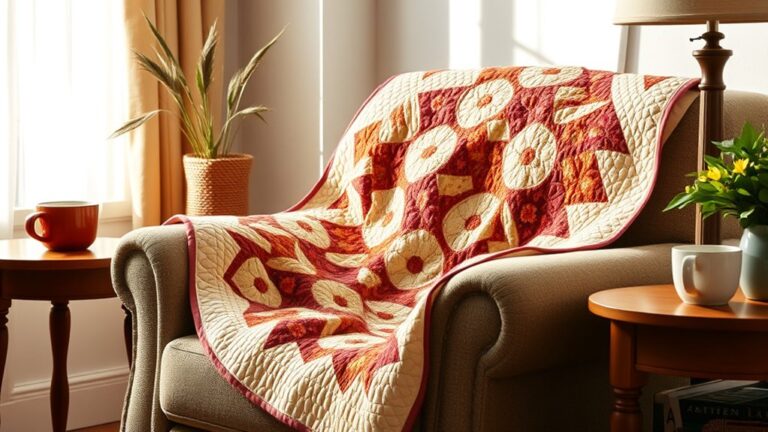
Essential Steps to Clean a Quilt
If you’ve ever hesitated before tossing your beautiful quilt into the wash, you’re not alone. Many people worry about ruining their cherished bedding or are unsure how to keep it looking fresh without causing damage.
Keeping your quilt clean and well-maintained can feel overwhelming, especially if you’re not sure where to start.
To clean your quilt, start by checking the fabric type and reading the care label for specific instructions.
Treat stains right away with mild detergent or fabric-safe stain removers.
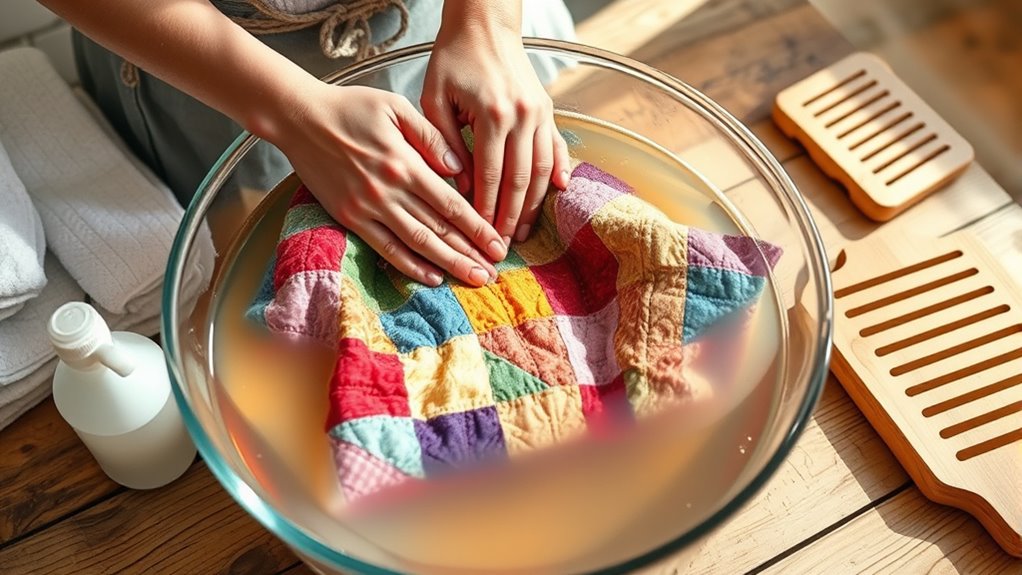
You can hand wash or use a machine, depending on the fabric’s durability.
Make sure to air dry for delicate fabrics or use a low heat setting if tumble drying.
After cleaning, maintain your quilt’s beauty with proper storage and regular inspections.
Uncover more essential care tips to extend its life.
Key Takeaways
- Check the care label and fabric type to determine the appropriate cleaning method for your quilt.
- Treat stains promptly by identifying their type and using the correct cleaning solution.
- Choose between hand washing or machine washing, depending on the quilt’s size and how sensitive the fabric is.
- Air dry or tumble dry on low heat. Make sure the quilt is spread flat so it keeps its shape.
- Regularly inspect and rotate your quilt. Use a cover for extra protection, and if you notice any significant issues, consider seeking professional help.
Why Caring for Your Quilt Is Essential
Caring for your quilt is vital, not just to preserve its beauty but also to maintain its functionality.
When you prioritize quilt longevity, you guarantee that your treasured piece remains a source of comfort and warmth for years to come.
Regular care prevents dirt, dust, and stains from settling into the fabric, which can lead to deterioration.
Fabric preservation is significant, too.
By keeping your quilt clean and stored properly, you protect it from fading and wear.
Avoid direct sunlight and damp conditions, as these can weaken fibers and alter colors.
Instead, opt for a cool, dry space for storage.
Taking the time to care for your quilt not only improves its aesthetic appeal but also safeguards the memories woven into it.
How to Choose Your Quilt’s Cleaning Method
When it comes to deciding how to clean your quilt, the first thing you’ll want to do is check what kind of fabric it’s made from. That makes a big difference in how you should handle it. Next, take a look to see if there are any stains or spots that might need a little extra care. And of course, don’t forget to read the care label—those instructions are there for a reason! By keeping all of this in mind, you’ll help make sure your quilt stays looking and feeling its best.
Fabric Type Considerations
Regarding cleaning your quilt, the fabric type plays an essential role in determining the best method.
If your quilt features cotton blends, you can typically wash it in cold water on a gentle cycle. Cotton is durable and can withstand a bit of agitation, so using a mild detergent is usually sufficient.
On the other hand, if your quilt includes synthetic fabrics, like polyester, you’ll want to be more cautious. These materials can be sensitive to heat and harsh detergents.
It’s best to opt for a delicate cycle and avoid high temperatures when washing. Always check the care tags for specific instructions, as this can help you choose the right cleaning approach for your quilt’s unique fabric composition.
Stains and Spots
When you spot a stain on your quilt, addressing it quickly can make all the difference. Start by identifying the type of stain. Common culprits include food, ink, or grease.
For effective stain removal, choose a suitable spot treatment method based on the stain’s nature. For example, a mixture of mild detergent and water can work wonders for food stains. Rubbing alcohol is great for ink.
Gently dab the area with a clean cloth, avoiding vigorous scrubbing that could damage the fabric. Always test your chosen treatment on a small, inconspicuous area first.
Once the stain is treated, rinse gently and let the quilt air dry completely. Quick action can save your quilt from permanent damage.
Care Label Instructions
Before you plunge into cleaning your quilt, take a moment to check the care label, as it provides essential guidance tailored to your specific fabric. This label outlines recommended cleaning methods, whether it’s machine washing, hand washing, or dry cleaning.
Understanding these fabric care instructions helps prevent damage and guarantees your quilt lasts longer.
Pay attention to the cleaning frequency as well; some fabrics require less frequent washing, while others may need regular maintenance.
If you’re unsure, consider spot cleaning first to address any stains without a full wash.
Identifying Your Quilt’s Material
How can you tell what material your quilt is made of?
Identifying the quilt materials is essential for effective cleaning.
Start by examining the texture and feel.
Different fabrics react differently to cleaning methods.
Here’s how to determine your quilt’s material:
- Cotton: Soft and breathable, it’s the most common quilt fabric.
- Polyester: Often blended with cotton, this synthetic material is durable and wrinkle-resistant.
- Wool: Heavy and warm, it requires special care due to its moisture-wicking properties.
- Silk: Luxurious and delicate, it’s prone to damage and needs gentle handling.
Preparing Your Quilt for Cleaning
Once you’ve identified your quilt’s material, it’s time to prepare it for cleaning. Start with a thorough fabric inspection. Check for any loose threads, stains, or damage that might need special attention.
If you find any areas of concern, consider repairing them before you wash the quilt to prevent further damage.
Next, remove any accessories like pins or embellishments that could snag during cleaning.
If your quilt has a lot of dust or pet hair, give it a gentle shake or use a vacuum with a soft brush attachment to remove debris. This step is crucial in your quilt preparation, ensuring that dirt doesn’t get trapped in the fibers during washing.
Finally, fold your quilt neatly or lay it flat to avoid creasing.
With these steps complete, you’re ready to move on to the washing process, ensuring your quilt stays beautiful for years to come.
Hand Washing vs. Machine Washing: Which Is Better?
When it comes to cleaning your quilt, you might be wondering whether hand washing or machine washing is the better choice. Each method has its own perks, and the decision can actually make a difference in how long your quilt lasts. Hand washing is definitely gentler, which is great if you want to be extra careful with delicate fabrics or sentimental pieces. On the other hand, machine washing is much more convenient and saves you a lot of time and effort, especially if you’re dealing with larger quilts.
Benefits Of Hand Washing
Hand washing a quilt offers several advantages that machine washing simply can’t match.
When you choose hand washing, you’re ensuring a more delicate approach to care.
Here are some key hand washing benefits:
- Gentle cleaning: You control the pressure applied, reducing wear and tear on fabric.
- Spot treatment: You can focus on specific stains without affecting the entire quilt.
- Preservation of color: Hand washing helps maintain vibrant hues by avoiding harsh spinning and agitation.
- Longer lifespan: Careful cleaning can extend the life of your quilt, keeping it looking beautiful for years.
Advantages Of Machine Washing
While hand washing has its perks, machine washing presents a set of advantages that can’t be overlooked.
One of the biggest benefits is machine efficiency. Your washing machine can handle larger loads, which means you can clean multiple quilts at once, saving you both time and energy.
This is especially useful if you have a busy schedule or multiple quilts to refresh.
Furthermore, machine washing often provides a more thorough clean, as the agitation can help remove dirt and allergens more effectively than hand washing.
You’ll also appreciate the time savings. Setting your machine and walking away allows you to tackle other tasks while your quilt gets cleaned.
Fabric Care Considerations
Choosing between hand washing and machine washing your quilt hinges on several fabric care considerations.
Your choice impacts fabric longevity and can also dictate your washing frequency.
Here are some key factors to weigh:
- Fabric Type: Delicate fabrics often benefit from gentle hand washing.
- Stains: For tough stains, machine washing with a pre-soak might be more effective.
- Size and Weight: Large quilts may be cumbersome in a sink, making machine washing a practical choice.
- Colorfastness: If you’re unsure about color bleeding, hand washing can help prevent damage.
Ultimately, your quilt’s material and condition will guide you in making the best decision for its care.
Effective Stain Removal Tips for Quilts
Stains on quilts can be a real headache, but with the right approach, you can tackle them effectively.
Start by identifying the stain types, such as food, ink, or grease. This will guide your treatment methods and help you choose the best solution.
For most stains, gently blot the area with a clean cloth to absorb excess material. Avoid rubbing, as this can spread the stain and make it harder to remove.
For water-soluble stains like juice or coffee, mix a solution of mild detergent and cool water. Dab it onto the stain, then rinse with a damp cloth to lift the residue.
If you’re dealing with tougher stains, consider using a stain remover designed for fabrics. Always test it on a hidden area first to make sure it’s safe for your quilt.
Dry Your Quilt Safely
Once your quilt is clean, you’ll want to make sure you dry it the right way so it stays in great shape. Picking the best drying method is important, and it’s a good idea to watch the temperature to avoid any accidental damage. Let’s talk about how you can dry your quilt safely and keep it looking its best.
Choose Appropriate Drying Method
In relation to drying your quilt, selecting the right method is crucial to preserving its integrity.
You have two main options: air drying and tumble drying. Each method has its advantages, so consider the following points:
- Air Drying: This gentle method reduces the risk of damage and helps maintain the quilt’s shape.
- Tumble Drying: Use a low heat setting if you want a quicker option, but be cautious to avoid overheating.
- Space: Make sure you have enough room to spread your quilt out flat. Folding it can trap moisture, which isn’t ideal.
- Time: Plan ahead, since air drying might take longer. However, it’s usually safer for delicate fabrics.
Choose wisely to keep your quilt looking beautiful for years to come!
Monitor Drying Temperature Closely
While drying your quilt, it’s vital to monitor the temperature closely to prevent damage. High heat can cause fabrics to shrink, fade, or even warp, ruining your hard work.
Use gentle drying techniques, such as a low heat setting or air drying, to maintain the quilt’s integrity. If you opt for a dryer, set it to a low temperature and periodically check on your quilt.
This way, you can guarantee it’s drying evenly without overheating. If you notice any signs of excessive heat, like a burning smell or unusual texture, stop the dryer immediately.
Maintaining Your Quilt After Cleaning
To keep your quilt looking fresh and vibrant after cleaning, focus on regular maintenance.
Maintain your quilt’s freshness and vibrancy through regular care and attention after each cleaning.
Implementing quilt preservation techniques will not only extend its life but also maintain its beauty.
Here are some essential tips for long-term care:
- Rotate Your Quilt: Change its position on your bed or display to prevent uneven wear.
- Keep It Covered: Use a quilt cover or throw to protect it from dust and sunlight.
- Store Properly: When not in use, store your quilt flat or rolled.
Avoid hanging it, as that can cause stretching over time.
– Inspect Regularly: Check for any signs of wear or damage and address them promptly.
Catching issues early helps you avoid further deterioration.
When to Call in the Experts for Quilt Cleaning?
Maintaining your quilt’s beauty can only go so far; sometimes, professional help is necessary. If your quilt has significant stains, odors, or damage, it’s time to contemplate expert services.
Professional cleaning can tackle tough issues that home methods might not resolve. For instance, if you notice fading colors or fabric deterioration, don’t hesitate to reach out for quilt restoration.
Experts use specialized techniques tailored to your quilt’s materials, ensuring it’s cleaned safely and effectively. If your quilt is a family heirloom or made from delicate fabrics, the risk of damage increases with DIY methods.
Trusting professionals can prevent further harm and preserve its value. In short, when in doubt about your quilt’s care, calling in the experts can save you time, effort, and potential heartache.
Prioritize your quilt’s longevity by knowing when to seek professional assistance.
Best Practices for Storing Your Quilt
Storing your quilt properly can greatly extend its life and beauty.
To guarantee your quilt remains in excellent condition, follow these best practices for quilt storage:
– Use protective covers: Invest in breathable fabric or cotton covers
to shield your quilt from dust and moisture.
– Avoid folding: Instead of folding, roll your quilt.
Rolling helps prevent creases that can weaken the fabric over time.
– Choose a cool, dry place: Store your quilt in a climate-controlled environment.
Keep it away from direct sunlight, which can fade colors.
– Check periodically: Inspect your quilt every few months for signs of pests or deterioration.
Don’t forget to air it out if needed.
Frequently Asked Questions
How Often Should I Clean My Quilt?
You should clean your quilt at least twice a year, ideally during seasonal cleaning.
This guarantees it stays fresh and maintains its quality.
If you notice spills or pet hair, don’t wait. Clean it sooner.
Incorporating these quilt maintenance tips keeps allergens at bay and extends its life.
Regularly checking for wear or stains can help you catch issues before they become bigger problems.
Can I Use Bleach on My Quilt?
You might recall that time you accidentally spilled wine on your favorite quilt. Instead of reaching for bleach, consider safer alternatives like vinegar or baking soda.
Bleach can weaken fabrics and lead to discoloration or damage. For effective fabric care, always check the quilt’s label first.
If it’s safe, dilute bleach and use it sparingly. But keep in mind, often gentler methods work wonders without risking your quilt’s beauty!
What Temperature Should I Use for Washing?
You should wash your quilt in cold water to protect the fabric and maintain its colors.
Hot water can damage delicate fibers, so stick to cold for ideal fabric care.
When using your washing machine, set it on a gentle cycle to avoid agitation that could cause wear and tear.
Always check the care label for specific washing tips tailored to your quilt’s materials, ensuring it stays beautiful and intact for years.
Is It Safe to Dry My Quilt in the Sun?
It’s best to avoid drying your quilt in direct sunlight. While sun exposure can help with drying, it also risks UV damage to the fabric, leading to fading and weakening over time.
Instead, try drying it in a shaded area or indoors with good airflow. If you do choose to use the sun, limit exposure to just a short period to protect your quilt’s colors and integrity.
How Do I Remove Odors From My Quilt?
To remove odors from your quilt, start with some freshening techniques. If your quilt’s fabric types are machine-washable, run it through a gentle wash cycle with a mild detergent.
For non-washable fabrics, try sprinkling baking soda over the surface, letting it sit for a few hours, then vacuuming it off.
You can also hang it outside for some fresh air. These methods will help eliminate unwanted smells effectively.
Conclusion
So, you’ve just cleaned your quilt, thinking it’s ready to shine, but remember: it’s not just about washing.
Neglecting proper care afterward is like washing a car and leaving it in the rain. Ironically, all your hard work could be undone in an instant!
Treat your quilt with the love it deserves, and it’ll stay cozy and beautiful for years.
After all, you wouldn’t want your masterpiece to become a dusty relic. Following the essential steps to clean a quilt ensures it stays in top shape for a long time.