Step-by-Step Guide to Make a Quilted Jacket
Have you ever wanted to wear something unique, cozy, and handmade, but felt overwhelmed by the idea of sewing your own outerwear? You’re not alone—many people dream of crafting their own quilted jacket but aren’t sure where to begin, what fabric to choose, or how to get that professional look.
Luckily, with the right guidance and a few helpful tips, making a quilted jacket at home can be both manageable and rewarding.
To make a quilted jacket, start by understanding its features and choosing the right fabric, like breathable cotton blends or durable synthetics.
Gather essential tools and pre-wash your fabric to prevent shrinkage.
Next, use basic quilting techniques and follow a structured pattern for assembly, ensuring precise measurements.
Don’t forget to incorporate pockets and choose a suitable lining.
With these steps, you’ll create a stylish, functional piece.
And there’s more to investigate as you perfect your creation!
Key Takeaways
- Select breathable fabrics like cotton blends or durable synthetics, and choose appropriate insulation for warmth without bulk.
- Pre-wash and iron fabric before cutting. This helps ensure accurate measurements and prevents shrinkage.
- Assemble the jacket by pinning fabric pieces together. Use consistent seam allowances for a polished finish.
- Utilize quilting stitches to add both insulation and decorative elements. Make sure to maintain alignment as you sew.
- Finish raw edges with binding, and always follow care instructions to keep your jacket looking its best.
Understanding Quilted Jackets: Key Features and Benefits
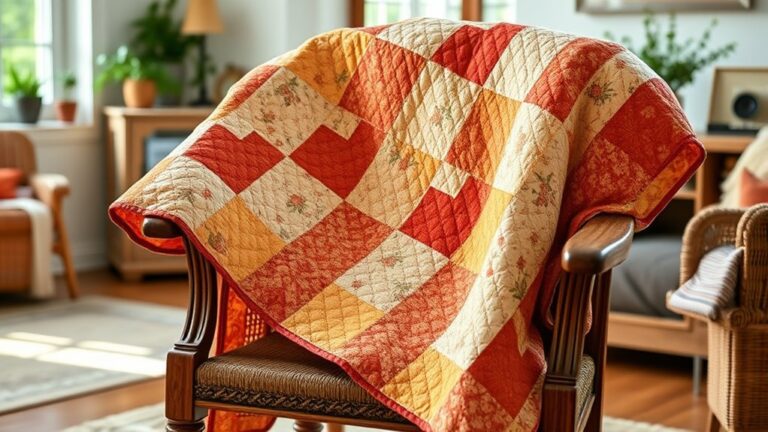
Regarding versatile outerwear, quilted jackets stand out for their unique blend of style and functionality. You’ll appreciate their rich quilted history, which dates back centuries, showcasing how practical design can also be fashionable.
The distinct stitching not only creates an eye-catching pattern but also provides insulation. This makes these jackets perfect for various weather conditions.
The unique stitching of quilted jackets offers both visual appeal and essential insulation, making them ideal for any weather.
You can examine numerous style variations, from classic silhouettes to modern cuts. That means you’ll always find a jacket that fits your personal aesthetic.
Whether you prefer a tailored look for urban outings or a more relaxed fit for outdoor adventures, quilted jackets adapt seamlessly to your wardrobe.
Their lightweight nature also means you can layer easily, adding warmth without bulk. With options that include vibrant colors and subtle tones, you’ll have no trouble expressing your style while enjoying the practical benefits of this timeless outerwear choice.
Choosing the Right Fabric for Your Quilted Jacket
When you’re picking out fabric for your quilted jacket, it helps to get familiar with the different types and what makes each one special. Some fabrics will give you a sleeker look, while others might offer more durability or a softer feel.
It’s also a good idea to think about how heavy or warm you want your jacket to be. Lighter fabrics might be perfect for layering in mild weather, but if you’re after something cozy for colder days, you’ll probably want a thicker, more insulating material.
In the end, it’s all about finding that sweet spot between comfort, warmth, and style. The right balance can really make your quilted jacket stand out and keep you feeling great wherever you go.
Fabric Types Overview
Choosing the right fabric for your quilted jacket can make all the difference in comfort and style. Here are some key considerations to keep in mind:
- Cotton Blends: These offer breathability and a variety of textures, so they’re great for different seasons and comfortable to wear.
- Synthetic Fabrics: Synthetics provide durability and stretch, which helps your jacket last longer while still feeling comfortable.
- Insulation Options: Think about fabrics that balance warmth and weight. This way, you stay cozy without feeling weighed down or bulky.
- Color Selection: Pick colors that reflect your personal style. It’s also smart to choose fabrics that are easy to care for, making your jacket practical for everyday use.
Consider Weight And Warmth
Finding the right balance between weight and warmth is essential for your quilted jacket. You’ll want to choose insulation types that provide adequate warmth without adding unnecessary bulk.
Synthetic materials like polyester are lightweight and offer excellent temperature regulation. That makes them ideal for versatile wear.
Alternatively, natural insulations such as down provide superior warmth but can be heavier and less water-resistant.
Consider your climate and intended use. If you’re in a colder region, prioritize warmth with thicker insulation, while warmer areas might require lighter fabrics.
Ultimately, selecting the right combination will keep you comfortable and stylish. This also allows for easy layering and movement.
Don’t forget to test the fabric’s breathability to maintain peak comfort during various activities.
Essential Tools and Materials You’ll Need
Before you dive into sewing your quilted jacket, let’s make sure you have all the important tools and materials ready to go. It really helps to know how to pick out the right fabric, and having the basic sewing supplies close by will make everything flow a lot more smoothly.
Fabric Selection Tips
Selecting the right fabric for your quilted jacket can make all the difference
in ensuring comfort and durability. Consider these tips when choosing your materials:
1. Weight: Opt for medium-weight fabrics like cotton or polyester blends.
This helps provide warmth without adding unnecessary bulk.
2. Texture: Look for fabrics with a soft touch.
This will improve comfort against your skin and make the jacket more pleasant to wear.
3. Fabric Patterns: Choose patterns that resonate with your style.
Floral or geometric designs, for example, can add extra flair to your look.
4. Color Combinations: Think about how different colors work together.
Using contrasting hues can really make your jacket pop and stand out.
Essential Sewing Tools
After you’ve chosen the perfect fabric for your quilted jacket, gathering the right sewing tools will set you up for success.
Here’s a quick quilting notions overview to help you get started.
| Tool | Purpose | Notes |
|---|---|---|
| Sewing Machine | Essential for stitching | Make sure it’s in good condition |
| Rotary Cutter | Cuts fabric accurately | Use a cutting mat for safety |
| Quilting Ruler | Guides your cuts | Look for one with clear markings |
| Pins and Clips | Holds layers together | Opt for both for flexibility |
With these sewing machine essentials, you’ll be well-equipped to create your quilted jacket efficiently and beautifully.
Happy sewing!
Preparing Your Fabric: Pre-Washing and Cutting Tips
To guarantee your quilted jacket turns out just right, it’s essential to prep your fabric properly.
To ensure your quilted jacket fits perfectly, proper fabric preparation is crucial.
Pre-washing helps prevent fabric shrinkage, so your jacket will fit perfectly after it’s sewn.
Here are some tips for cutting precision:
- Wash and Dry: Always pre-wash your fabric to remove any chemicals and prevent future shrinkage.
- Iron Smooth: Iron your fabric to eliminate wrinkles. This makes it much easier to cut accurately.
- Use a Rotary Cutter: For precise cuts, use a rotary cutter and cutting mat. This also helps reduce fabric movement.
- Measure Twice: Always double-check your measurements before cutting. Accuracy is key to a well-fitting jacket.
Basic Quilting Techniques for Beginners
With your fabric prepped and ready, it’s time to investigate some basic quilting techniques. These skills will set the foundation for your quilted jacket.
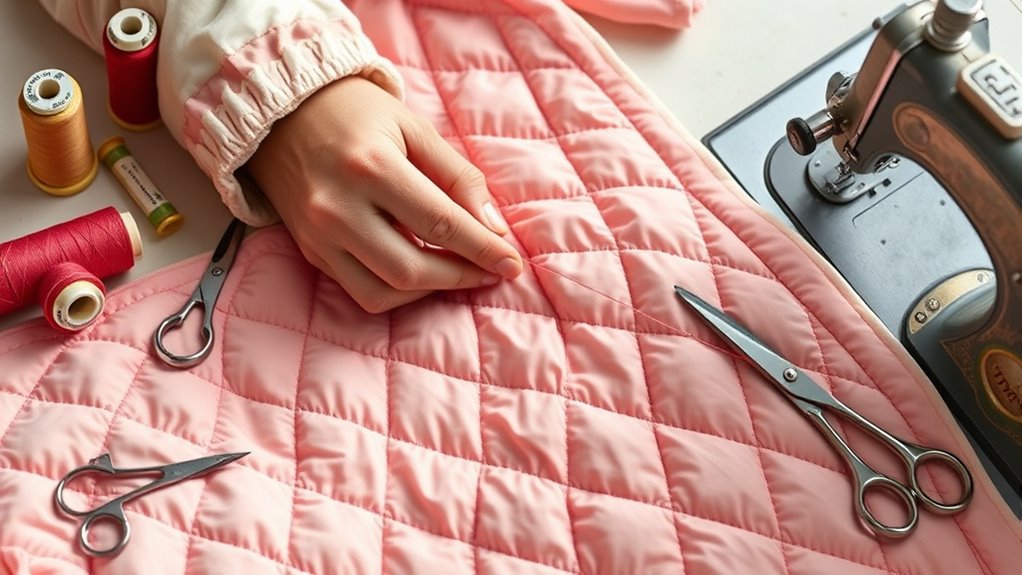
Start by familiarizing yourself with basic stitching methods. Straight stitching is essential for securing layers, while a zigzag stitch can help prevent fraying.
Next, you’ll need to work with quilt batting to add warmth and texture. Choose the right thickness based on your desired warmth and weight.
Here’s a quick reference table to help you out:
| Technique | Description |
|---|---|
| Straight Stitch | Secures layers together |
| Zigzag Stitch | Prevents fraying on edges |
| Basting | Temporarily holds layers in place |
| Quilting | Decorative stitching through layers |
| Binding | Finishes raw edges of the jacket |
Create Your Jacket Pattern Easily
Creating your jacket pattern can be a straightforward process, especially if you take it step by step.
Start by gathering your materials and measuring yourself accurately.
This is essential for effective pattern drafting and making any necessary size adjustments.
Here’s a simple approach:
- Choose a Base Pattern: Select a basic jacket pattern that fits your style.
- Take Your Measurements: Measure your bust, waist, hips, and sleeve length to guarantee a proper fit.
- Draft Your Pattern: Use your measurements to modify the base pattern, adding seam allowances and design elements.
- Make Size Adjustments: Confirm the pattern accommodates any alterations you might need, like adjusting for layers underneath.
Constructing the Jacket: Step-by-Step Assembly
Now that your pattern is ready, let’s talk materials. Go ahead and gather everything you’ll need for your jacket—think fabric, batting, thread, and any extras like buttons or snaps. Got everything? Great!
Next up, you’ll want to start with the outer layer. This is where your jacket really takes shape. Once that part’s looking good, you’ll move on to attaching the lining, which gives the inside a neat, polished finish.
And finally, you’ll put on those last touches and make sure everything’s stitched up just right. Let’s walk through each step together to make sure your quilted jacket turns out just the way you want it.
Preparing Your Materials
Before diving into the construction of your quilted jacket, gather all necessary materials to guarantee a smooth assembly process.
Start by considering your fabric sourcing and exploring material alternatives that suit your design inspiration. Think about your color combinations and layering techniques to achieve the look you want.
Here’s a quick list of essential items:
- Fabric: Choose your main fabric and lining, paying attention to texture choices.
- Sewing Patterns: Select or create a pattern that fits your design vision.
- Crafting Tools: Gather scissors, pins, and a sewing machine for effective assembly.
- Batting: This adds warmth and structure to your jacket.
With everything ready, you’re set to create your unique piece!
Assembling The Outer Layer
As you plunge into assembling the outer layer of your quilted jacket, start by laying out your fabric pieces according to the sewing pattern.
Use fabric alignment techniques to guarantee everything lines up perfectly, making it easier to sew. Pin the pieces together securely, paying attention to any notches that guide your assembly.
Next, choose your quilting stitch options. You might prefer a straight stitch for a classic look or a decorative stitch for a bit of flair.
Begin sewing the seams, ensuring you maintain consistent seam allowances for a polished finish. As you work, keep checking for any wrinkles or misalignments, adjusting as needed.
This attention to detail will set the foundation for a beautifully constructed jacket.
Adding Lining And Finishing
Once you’ve completed the outer layer, adding the lining is essential for both comfort and style.
Proper lining techniques improve the overall look and feel of your quilted jacket.
Here’s how to achieve a polished finish:
- Choose a Soft Fabric: Select a breathable material like cotton or silk for the lining.
- Attach the Lining: Pin the lining to the outer layer, ensuring all edges align neatly.
- Sew Carefully: Use a straight stitch to secure the lining, leaving openings for turning the jacket inside out.
- Add Interior Finishes: Consider adding pockets or a tag for a professional touch.
These steps will not only enhance comfort but also uplift the aesthetic appeal of your jacket.
Happy sewing!
Incorporate Pockets and Functional Features
When you’re designing your quilted jacket, thinking about how to incorporate pockets and other functional features is essential for both style and practicality.
Start by deciding on pocket placement. Do you want them on the sides, chest, or inside? Side pockets are great for keeping your hands warm, while chest pockets can hold small items like keys or a phone.
Next, consider the type of pockets you’d like. Flap pockets add a stylish touch, while zippered pockets bolster security. Make sure your pocket design aligns with the overall functional design of the jacket.
You might also want to include features like adjustable cuffs or a drawstring hem for added versatility. These elements not only improve functionality but also enrich the jacket’s overall aesthetic.
Choose the Right Lining for Your Quilted Jacket
Choosing the right lining for your quilted jacket can make all the difference in comfort and style.
With various lining options available, you’ll want to take into account several factors:
- Fabric Characteristics: Look for fabrics that complement the outer layer and offer comfort against your skin.
- Insulation Materials: Choose linings that provide warmth without adding bulk, like lightweight batting or insulated fabrics.
- Breathability Aspects: Make sure your lining allows for airflow, preventing overheating during wear.
- Durability Factors: Opt for materials that withstand wear and tear, guaranteeing your jacket lasts through seasons.
Don’t forget about color combinations and texture choices, as these can elevate your jacket’s overall look.
Think about ease of sewing too. Some fabrics are more beginner-friendly than others.
Maintenance Tips for Your Quilted Jacket
Although a quilted jacket is stylish and functional, it requires proper care to maintain its appearance and longevity. Start by choosing the right cleaning methods.
Always check the care label for specific instructions, but generally, you can hand wash or use a gentle cycle in cold water. Avoid harsh detergents, as they can damage the fabric.
If your jacket has stains, treat them promptly with a mild stain remover.
When it comes to storage tips, hang your jacket on a sturdy hanger to preserve its shape. If you’re short on space, consider folding it neatly and storing it in a breathable garment bag.
Avoid plastic bags, as they can trap moisture and lead to mildew. Moreover, keep your jacket away from direct sunlight to prevent fading.
Frequently Asked Questions
Can I Quilt by Hand Instead of Using a Sewing Machine?
Yes, you can absolutely quilt by hand instead of using a sewing machine! Hand quilting gives you a unique, personal touch and allows for more control over your stitches.
When choosing your fabric, consider the weight and texture, as they can affect your quilting experience. Lightweight fabrics are easier to manipulate, while heavier ones provide a cozy feel.
Grab your needle and thread, and enjoy the process of creating your quilted masterpiece!
What Are the Best Stitches for Quilting a Jacket?
The best stitch types for quilting a jacket include straight stitches, zigzag stitches, and decorative stitches. You can use a straight stitch for simple, clean lines.
A zigzag stitch offers flexibility and strength. For a unique touch, try decorative stitches that improve your design.
Combining these quilting techniques will not only secure your layers but also add texture and style. This approach makes your jacket stand out beautifully.
Enjoy experimenting!
How Do I Adjust My Pattern for Different Sizes?
In regard to adjusting your pattern for different sizes, you’ve got to strike while the iron’s hot.
Start with pattern grading, making sure to increase or decrease measurements evenly across the bust, waist, and hips.
For size alterations, focus on adding or removing fabric at the seams. Just make sure your adjustments maintain the overall shape.
Don’t forget to double-check the fit as you go, so you end up with a jacket that’s just right!
Can I Add Embellishments to My Quilted Jacket?
Absolutely, you can add embellishments to your quilted jacket! Consider using embellishment techniques like embroidery, appliqué, or fabric paint to personalize it.
Choose fabrics that complement your quilted material; cotton and felt work great for adding texture.
When applying embellishments, make sure they’re securely attached to withstand wear.
Experiment with different designs and placements to create a unique look that reflects your personal style. Have fun with it!
What Should I Do if My Fabric Frays During Sewing?
If your fabric frays during sewing, don’t worry! Start by using fabric preparation techniques like pre-washing and pinking shears to trim edges.
You can also apply fraying prevention methods, such as using a zigzag stitch or overlocking the edges.
If you catch fraying early, consider adding a fray check solution to secure the threads.
With these tips, you’ll keep your edges neat and your project looking polished!
Conclusion
Now that you know how to create your own quilted jacket, you can enjoy a unique piece that reflects your style.
Did you know that nearly 60% of people prefer handmade clothing for its individuality? By crafting your jacket, you not only express your creativity but also contribute to sustainable fashion.
So grab your materials and start sewing. Your one-of-a-kind quilted jacket awaits, ready to showcase your personal touch and love for this timeless style.