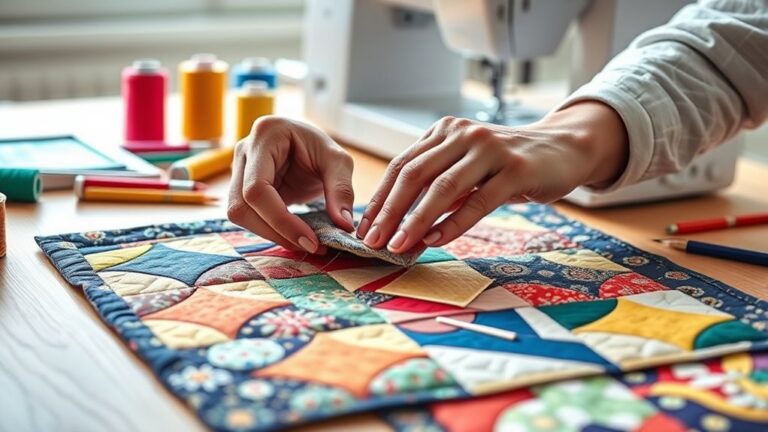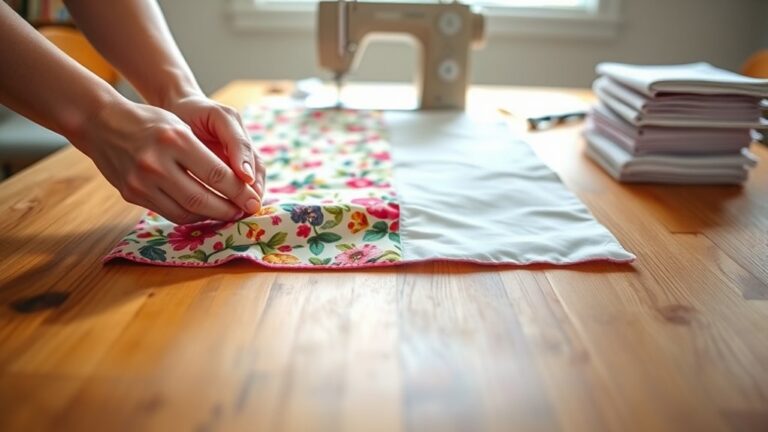
How to Start Quilting for Beginners
If you’ve ever gazed at a beautiful handmade quilt and wished you could make one yourself, you’re not alone. Many beginners feel overwhelmed by the tools, fabrics, and techniques involved in quilting. It can be tough to know where to start, but the good news is, with the right guidance, anyone can learn how to start quilting and enjoy the creative journey.
To start quilting, first gather essential tools like a rotary cutter, cutting mat, and reliable sewing machine.
Choose medium-weight cotton fabrics and investigate simple patterns like the Nine-Patch or Rail Fence.
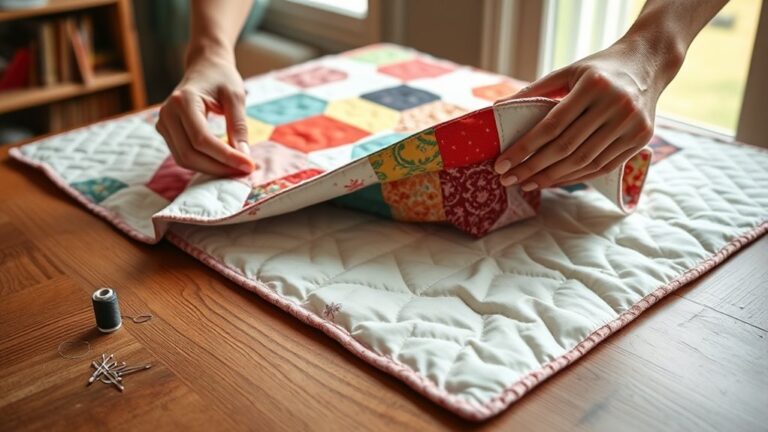
Master basic techniques such as hand stitching, fabric alignment, and basting for solid foundations.
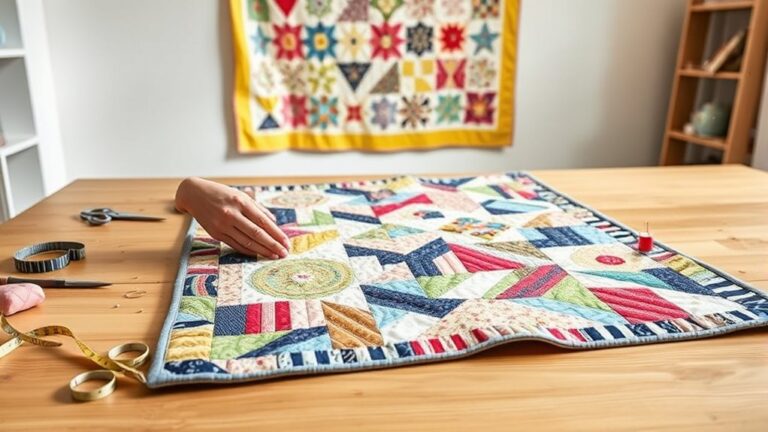
Set up a well-organized workspace with good lighting.
Avoid common mistakes by double-checking measurements and taking your time.
As you get comfortable, you’ll uncover even more tips and tricks to improve your quilting journey.
Key Takeaways
- Gather essential tools like a rotary cutter, cutting mat, and quilting ruler. These will help make your quilting process smooth and effective.
- Choose medium weight cotton fabrics, which are easy to work with. Take some time to learn basic color theory so your quilt designs look appealing.
- Master basic techniques such as stitching, basting, and managing fabric tension. These skills are important for getting quality results in your projects.
- Set up an organized workspace with good lighting and ergonomic furniture. This will make quilting more comfortable and enjoyable.
- Start with simple patterns like the Nine-Patch or Rail Fence. These beginner-friendly designs help you build confidence and improve your skills.
Getting Started: Essential Tools for Your First Quilt
Starting your quilting journey can be exciting, but having the right tools makes all the difference. First, you’ll need a good rotary cutter and mat. These tools simplify cutting fabric, ensuring accuracy as you piece your quilt together.
A quality ruler is also essential; it helps you measure and cut straight lines. This is vital for any quilt, especially as you investigate quilt history and various techniques.
Next, invest in a reliable sewing machine. While some prefer hand-sewing, a machine can speed up the process and provide consistent stitches.
Don’t forget about fabric sourcing. Visit local quilt shops or check out online retailers for a diverse selection.
Choosing the right fabric can inspire your design and improve your quilting experience.
With these essential tools in hand, you’re well on your way to creating a beautiful quilt that reflects your unique style!
Choosing Quilting Fabric and Patterns
When you’re getting started on your quilting journey, picking out the right fabric and pattern really makes a difference. There are so many types of fabric to choose from, and each one can change the look and feel of your quilt in its own way. It’s worth taking a little time to get familiar with your options before you dive in.
And don’t forget about the pattern! Choosing one that matches your current skill level can make the whole process a lot more enjoyable. That way, you won’t get frustrated, and you’ll have a project you’re excited to finish.
Fabric Types Explained
In relation to quilting, selecting the right fabric is essential to achieving a beautiful and lasting project.
Start with cotton blends; they’re durable and versatile. Consider fabric weights too. A medium weight is great for piecing, while lighter fabrics work well for backing materials.
Familiarize yourself with color theory to create stunning combinations that pop. Pre cuts options, like jelly rolls and charm packs, save time and effort.
Don’t forget about fabric care. Washing your fabrics before sewing prevents shrinkage.
Investigate sustainable fabrics for an eco-friendly choice. Finally, choose the right batting types to give your quilt warmth and loft.
Each element contributes to your quilt’s overall quality and appeal. Happy quilting!
Pattern Selection Tips
What makes a quilt truly stand out? The right pattern and fabric choices play a huge role.
Start by exploring various motif inspirations, from floral designs to geometric shapes. Think about how these motifs can come together to create a cohesive look.
Next, consider your color combinations. Choose colors that complement each other and convey the mood you want for your quilt.
If you’re unsure, try using a color wheel to find harmonious shades.
Don’t hesitate to mix different fabrics and patterns, but keep balance in mind. Aim for a blend that feels intentional rather than chaotic.
By thoughtfully selecting your patterns and colors, you’ll create a quilt that not only looks beautiful but also tells a story.
Happy quilting!
Key Basic Techniques Every Quilter Should Know
Getting started with quilting is easier than you might think. First, you’ll want to get comfortable with a few key techniques. Knowing which tools to use and learning some basic stitching methods will really help you build a strong foundation for your quilting projects. So, let’s take a closer look at some of the essential skills every quilter should know.
Essential Tools Overview
Quilting requires a few essential tools that streamline the process and boost your creativity. First, consider your sewing machine; it should handle various fabric types and thread choices.
For your quilt size, keep in mind the dimensions you want to achieve. Choose batting options that suit your desired warmth and weight.
Don’t forget about quilting books. They’re packed with design inspiration and techniques to improve your skills.
When selecting fabric, play with different color palettes to express your style. A rotary cutter and mat will make cutting precise, while pins and a ruler guarantee accurate measurements.
With these tools in hand, you’re set to begin your quilting journey with confidence!
Basic Stitching Techniques
Mastering a few basic stitching techniques can improve your quilting skills considerably. Start with hand stitching and machine stitching, as both are essential for different projects.
Pay attention to stitch length and consistency; this will impact your quilt’s overall appearance. Investigate basting techniques to hold your layers together before quilting.
Understanding fabric tension is vital, especially when using a sewing machine. If the tension is too tight or too loose, it can ruin your work.
Experiment with decorative stitches and various stitch patterns to add personality to your quilts. Familiarize yourself with different quilting methods and quilting motifs, as they can transform a simple quilt into a stunning piece.
With practice, you’ll gain confidence and create beautiful, cohesive quilts.
Setting Up Your Quilting Workspace
Creating an efficient quilting workspace can make all the difference in your crafting experience.
To set up a space that inspires creativity and promotes comfort, consider these key elements:
– Workspace Organization:
Keep your fabrics, tools, and patterns neatly arranged for easy access.
– Lighting Considerations:
Use bright, adjustable lighting to reduce eye strain and highlight your fabric’s colors.
– Storage Solutions:
Invest in bins or shelves to store your supplies. That way, everything has its place and is easy to find.
– Ergonomic Setup:
Choose a comfortable chair and table height that supports good posture while you work.
– Personal Touches:
Add decorations or mementos that spark joy and reflect your personality.
With these essentials in mind, your quilting space can become both practical and inviting.
Simple Quilt Patterns for Beginners
Now that your quilting workspace is set up for success, it’s time to investigate some simple quilt patterns that are perfect for beginners.
One of the best ways to start is with simple block designs. Patterns like the classic Nine-Patch or Four-Patch are easy to follow and allow you to practice essential skills.
Starting with simple block designs like the Nine-Patch or Four-Patch is perfect for building essential quilting skills.
These beginner-friendly quilts often use just a few fabric cuts, making them less overwhelming.
Another great option is the Rail Fence pattern, which introduces you to diagonal sewing. You can mix colors and fabrics to create a unique look while keeping the construction straightforward.
Don’t forget about the simple Log Cabin design, which teaches you how to build blocks step by step.
These patterns not only boost your confidence but also help you develop a solid foundation for more advanced quilting projects in the future.
Cutting Fabric Accurately
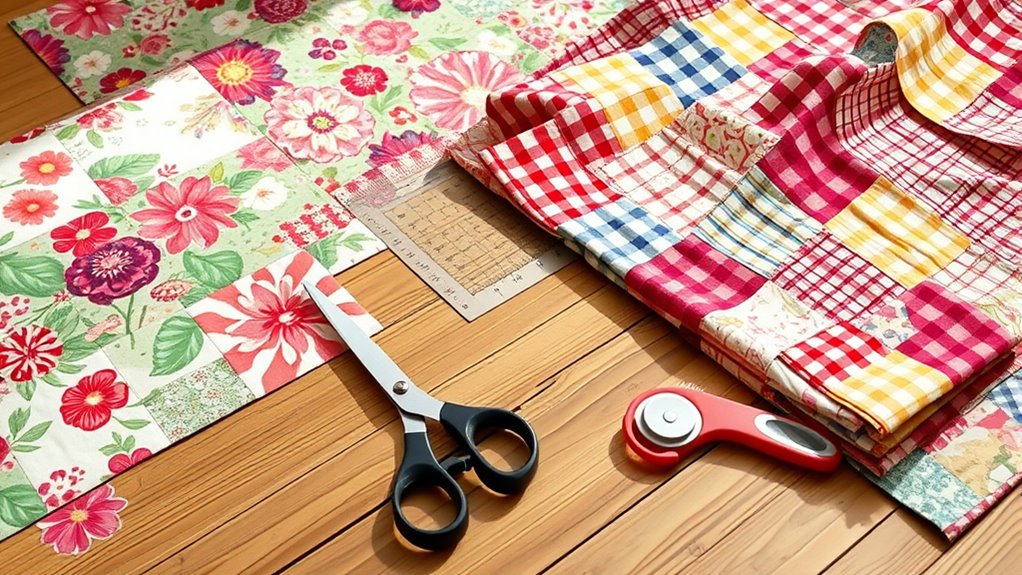
Cutting fabric accurately is really important if you want your quilt to look polished and professional. To get started, you’ll want to have the right cutting tools on hand, like a sharp rotary cutter, a sturdy ruler, and a good cutting mat. Measuring your fabric carefully makes a big difference, too, so take your time with that step. Don’t forget about proper fabric folding—it helps keep everything even and neat. Once you get comfortable with these basics, you’ll find that your quilting projects come together much more smoothly.
Essential Cutting Tools
Accurate fabric cutting is essential for achieving precise quilt pieces, so having the right tools at your disposal makes a significant difference.
Here are some essential cutting tools to take into account:
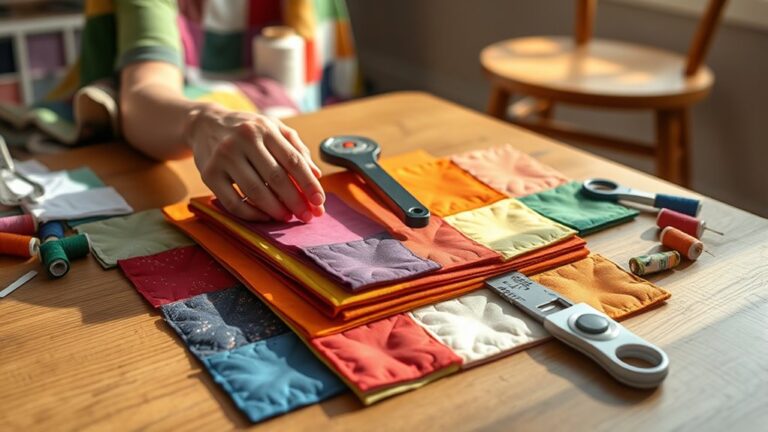
- Rotary Cutter: Perfect for quick, clean cuts; just remember to follow rotary cutter safety guidelines.
- Cutting Mat: A self-healing mat protects your surfaces and keeps your blades sharp. Regular cutting mat maintenance prolongs its life.
- Quilting Ruler: Guarantee accurate measurements and straight lines.
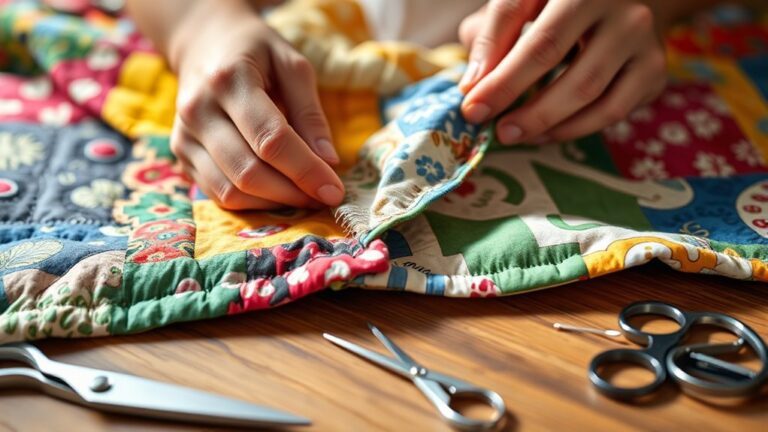
- Scissors: Useful for small details and fabric pieces that a rotary cutter might miss.
- Fabric Weights: Keep your fabric in place while cutting, preventing any shifting.
Investing in these tools will make your quilting journey smoother and more enjoyable.
Measuring Techniques
Having the right cutting tools sets you up for success, but measuring techniques are just as important for cutting fabric accurately. Focus on measuring accuracy by guaranteeing your fabric alignment is precise.
Use a ruler for cutting precision, paying attention to seam allowance and quilt dimensions. Always double-check your layout planning and pattern scaling to avoid mistakes.
Here’s a quick reference table to guide you:
| Technique | Key Points |
|---|---|
| Ruler Usage | Make sure it’s straight and sturdy |
| Fabric Alignment | Smooth out wrinkles before measuring |
| Seam Allowance | Add extra for finishing |
| Layout Planning | Visualize before cutting |
Fabric Folding Methods
When you’re ready to cut your fabric, mastering proper folding methods can make a big difference in achieving even pieces.
Here are some effective folding techniques to evaluate:
- Fabric Origami: Create precise folds for accurate cuts.
- Double Folding: Fold fabric in half and then in half again for uniformity.
- Bias Folding: Align the fabric’s edges on a 45-degree angle for diagonal cuts.
- Layering: Stack multiple fabric layers for efficiency, ensuring they’re aligned.
- Pressing: Use an iron to set your folds, ensuring they stay crisp.
Learn Essential Stitching Techniques
Mastering essential stitching techniques is crucial for any quilter looking to create beautiful, durable pieces. Start with hand stitching, which allows you to connect fabrics with precision.
Familiarize yourself with machine quilting to speed up the process and investigate stitch variations that add character to your work. Incorporating decorative stitching can enhance your quilts, making them truly unique.
Explore machine quilting to streamline your process and experiment with decorative stitches for a unique touch in your quilts.
Understanding quilting terminology helps you follow patterns and instructions effectively. Practicing quilting safety guarantees you’re working with tools correctly to avoid accidents.
Don’t forget about fabric care; pre-washing your materials can prevent shrinkage and color bleeding later on.
As you hone these skills, seek quilting inspiration from books, online tutorials, and fellow quilters. By combining these techniques, you’ll not only improve your quilting but also develop your personal style over time.
Happy stitching!
Top Tips for Your First Quilt
What should you keep in mind as you commence your first quilting project?
Starting your quilting journey can be exciting, but a little preparation goes a long way.
Here are some top tips to guide you:
- Gather quilt inspiration: Browse magazines, online platforms, or local quilt shops to find designs that spark your creativity.
- Choose your fabric wisely: Select fabrics that complement each other and suit your style. Don’t shy away from bold patterns!
- Organize your fabric storage: Keep your materials tidy and accessible. Use bins or shelves to avoid chaos.
- Plan your layout: Before you cut, lay out your pieces to visualize the final product. This helps prevent mistakes.
- Take your time: Enjoy the process! Don’t rush; each stitch is a step toward your beautiful quilt.
With these tips, you’ll set yourself up for a rewarding quilting experience!
Common Mistakes to Avoid as a Beginner
As you immerse yourself in quilting, avoiding common pitfalls can make all the difference in your experience.
One of the biggest mistakes beginners make is fabric miscalculations.
Always double-check your measurements before cutting, as even a small error can affect your entire quilt.
It’s also essential to plan for extra fabric, especially if you’re using a patterned material.
Another common issue is improper thread tension.
If your stitches are too tight or too loose, it can lead to puckering or skipped stitches.
Don’t hesitate to test your tension on a scrap piece before diving into your quilt.
Finally, keep in mind that rushing through the process can lead to mistakes.
Take your time to enjoy each step, and you’ll find that patience pays off in the quality of your work.
Resources for Continued Quilting Education
Avoiding common mistakes is just the beginning of your quilting journey.
To keep growing your skills, investigate various resources that can guide you.
Explore diverse resources to enhance your skills and elevate your quilting journey.
Here are some excellent options:
- Online classes: Immerse yourself in structured lessons at your own pace.
- Quilting blogs: Uncover tips, patterns, and inspiration from seasoned quilters.
- Community workshops: Join hands-on sessions to learn directly from experts and meet fellow enthusiasts.
- Video tutorials: Visual learning can be incredibly effective. Find videos on specific techniques or projects.
- Local guilds: Connect with a quilting community for support, advice, and events.
Also, don’t forget about social media for ongoing inspiration.
Check out quilting podcasts for creative discussions, and turn to instructional books for in-depth knowledge.
With these resources, you’ll continue to build your quilting expertise
and find joy in every stitch.
Frequently Asked Questions
How Long Does It Typically Take to Finish a Quilt?
It typically takes anywhere from a few days to several weeks to finish a quilt, depending on its complexity and your skill level.
For simpler patterns, you might wrap up a quilt in a weekend. Intricate designs, though, could stretch over a month.
You’ll find that setting realistic project timelines helps keep you motivated.
Can I Quilt Without a Sewing Machine?
Absolutely, you can quilt without a sewing machine. It’s like painting a masterpiece with just a brush!
Hand quilting allows you to connect with your fabric in a unique way. You’ll need basic quilting tools like needles, thread, and a thimble.
While it might take longer, the process can be incredibly rewarding. You get a sense of accomplishment with each stitch.
What Is the Best Way to Store Fabric?
The best way to store fabric is to focus on effective fabric organization. Use clear bins or drawers to keep your fabric visible and accessible.
You can also fold fabric neatly and stack it by color or type. Consider using shelves for larger pieces and smaller containers for scraps.
Label your storage solutions for quick identification. Keeping your fabric organized not only saves time but also helps maintain its quality for future projects.
How Do I Choose the Right Batting?
To choose the right batting, consider the batting types available, like cotton, polyester, or wool. Each has its unique qualities, affecting warmth and weight.
For thickness, think about your project’s needs. Thinner batting works well for lightweight quilts, while thicker batting offers more warmth and loft.
Test a few samples to see which feels best for your quilt’s purpose. And don’t forget to check compatibility with your fabric choices!
Are There Online Quilting Communities for Beginners?
Yes, there are plenty of online quilting communities for beginners! You’ll find forums, social media groups, and websites that offer valuable online resources.
Join discussions, share your progress, and connect with others who are on the same path. Look for quilting tutorials that cater to all skill levels, and investigate beginner projects to boost your confidence.
You can also participate in community challenges to inspire your creativity. Engaging with others will make your quilting journey even more enjoyable and fulfilling!
Conclusion
Starting on your quilting journey can be both exciting and challenging, but with the right tools and techniques, you’ll create beautiful pieces in no time.
Have you imagined how satisfying it’ll feel to wrap yourself in a quilt you made yourself?
Remember, every quilter started somewhere, so welcome the learning process.
Keep practicing, stay inspired, and let your creativity shine.
Soon, you’ll be crafting quilts that tell your unique story, and quilting for beginners will feel like second nature.