7 Simple Steps to Clean Your Antique Quilt Safely
If you’ve ever inherited a treasured family quilt or stumbled upon a beautiful antique find, you know how nerve-wracking it can be to clean such a delicate piece. Many people struggle with the fear of causing damage while trying to keep their antique quilts looking their best. Rest assured, you’re not alone—proper quilt care is a common concern, but there are simple solutions.
That’s why we’re rounding up the best ways to clean your antique quilt safely, so you can preserve its beauty for years to come.
To clean your antique quilt safely, start by evaluating its condition, noting fabric types and signs of damage. Gather mild detergent, a soft brush, and a clean drying space.
Set up in a well-lit area away from foot traffic. Use gentle washing techniques, like hand washing in lukewarm water, and rinse thoroughly.
Afterward, dry flat away from direct sunlight. Finally, store in acid-free materials to protect it long-term.
Uncover more tips to keep your quilt pristine!
Key Takeaways
- Assess the quilt’s condition by examining the fabric, wear, stains, and historical significance before cleaning.
- Gather mild detergent, a soft brush, and a white cotton cloth. Make sure you’re in a dust-free, well-lit area for cleaning.
- Hand wash in lukewarm water with gentle agitation. This helps protect delicate fibers, and be sure to rinse thoroughly to remove all detergent.
- Air dry the quilt flat in a shaded location. Avoid direct sunlight, as it can cause fading and fiber damage.
- Store the quilt in acid-free materials, such as boxes or breathable bags. Keep it in a cool, dark place to help preserve its condition.
How to Assess Your Antique Quilt’s Condition Before Cleaning?
Before you plunge into cleaning your antique quilt, it’s essential to assess its condition to avoid any damage.
Start by examining the fabric types; different materials, like cotton, silk, or wool, require unique care.
Look for any signs of wear, such as fraying seams or discoloration, which might indicate delicate areas needing special attention.
Examine your quilt for fraying seams or discoloration, as these signs may reveal delicate areas that require extra care.
Next, evaluate the quilt’s historical significance.
If it’s a family heirloom or a piece from a specific era, consider its value beyond just aesthetics.
This context will help you decide how carefully to treat it.
Check for stains or odors that may have developed over time.
Document any issues you find, as this can guide you in the cleaning process.
By taking these steps, you not only protect your quilt but also honor its story.
This way, you’ll ensure it remains a cherished part of your collection for years to come.
Gathering the Right Supplies for Cleaning Antique Quilts
Once you’ve assessed your antique quilt’s condition, it’s time to gather the right supplies for cleaning. The materials you choose will depend on the fabric types and the quilt’s age.
Here’s a quick guide to help you:
| Supply | Purpose | Recommended Use |
|---|---|---|
| Mild detergent | Cleaning without damage | For machine or hand wash |
| Soft brush | Dust removal | Gentle sweeping on fabric |
| White cotton cloth | Spot cleaning | Dab on stains carefully |
| Drying rack | Air drying | Avoid direct sunlight |
Consider your quilt’s cleaning frequency; you don’t want to over-clean it. For delicate fabrics, limit washings to every few years.
How to Set Up a Safe Cleaning Space
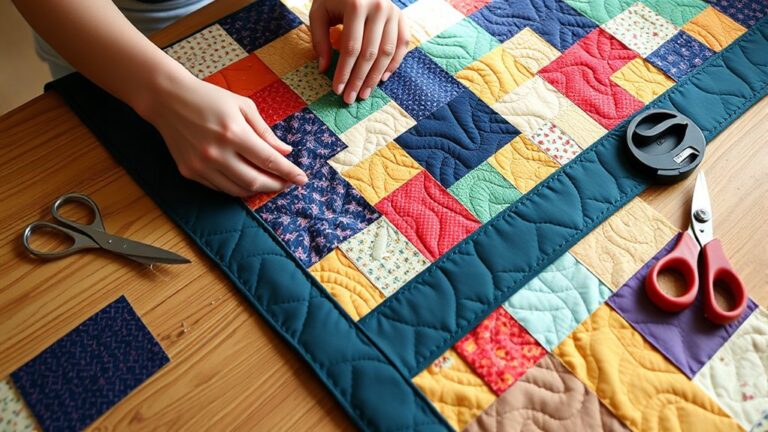
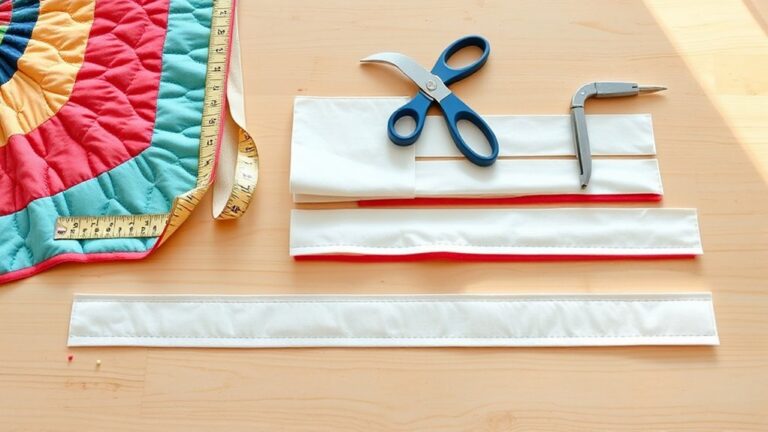
Creating a safe cleaning space is essential for preserving your antique quilt. Start by choosing a well-lit area with minimal foot traffic, like a clean table or counter.
Make certain your cleaning environment is free from dust and debris to prevent any damage to the fabric.
Next, gather all your supplies within arm’s reach to promote workspace organization. Lay out your cleaning materials, such as gentle detergents and soft brushes, in an orderly fashion.
This not only saves time but also minimizes the risk of accidentally misplacing items.
Keep your quilt flat and spread it out gently, making sure there’s enough room to maneuver without folding or creasing it.
If possible, use a clean sheet or towel as a surface cover to further protect your quilt.
Washing Delicate Fabrics: Techniques and Tips
When it comes to washing delicate fabrics, picking the right detergent really makes a difference if you want to avoid any damage. It’s a good idea to go for something gentle and pH-balanced, since harsh products can easily harm those delicate fibers.
Honestly, hand washing is usually your safest bet. This way, you can control the whole process and make sure your quilt—or any other delicate item—stays in great shape.
Choosing The Right Detergent
How can you confirm your antique quilt stays pristine during cleaning?
Choosing the right detergent is vital.
Not all detergent types are created equal. Avoid harsh chemicals that can damage delicate fabrics.
Look for gentle, pH-balanced detergents specifically designed for delicate textiles.
These options help lift dirt without compromising the quilt’s integrity.
Be wary of cleaning myths that suggest using regular laundry detergents or bleach.
These can lead to fading and fabric deterioration.
Instead, opt for biodegradable or natural detergents that are safe for vintage textiles.
Always perform a patch test on a small, inconspicuous area to verify compatibility.
Hand Washing Techniques
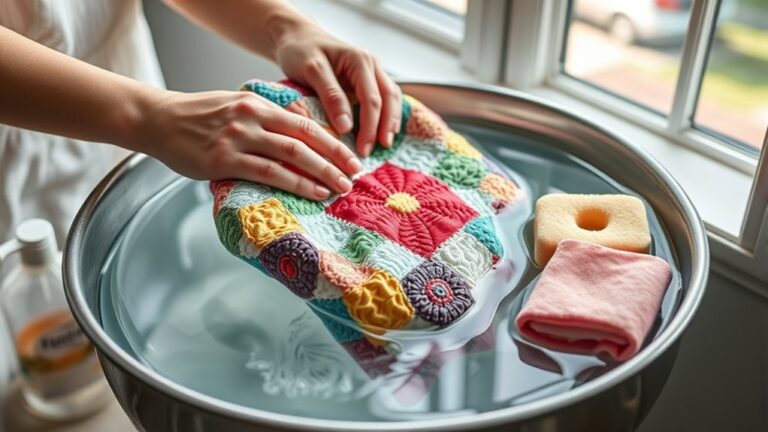
Hand washing your antique quilt can be a gentle and effective way to preserve its beauty. Start by filling a clean tub with lukewarm water, as this water temperature is ideal for delicate fabrics.
Add a small amount of mild detergent, ensuring it’s suitable for antique textiles. Immerse your quilt slowly, allowing it to soak for about 10-15 minutes.
Gently agitate the water, but avoid scrubbing or twisting, as this can damage the fibers. Afterward, drain the tub and rinse the quilt with cool water until the detergent is completely gone.
The hand washing benefits include minimizing wear and tear while keeping colors vibrant. Finally, lay your quilt flat on a clean, dry surface to air dry, avoiding direct sunlight.
Spot Cleaning Stains With Care
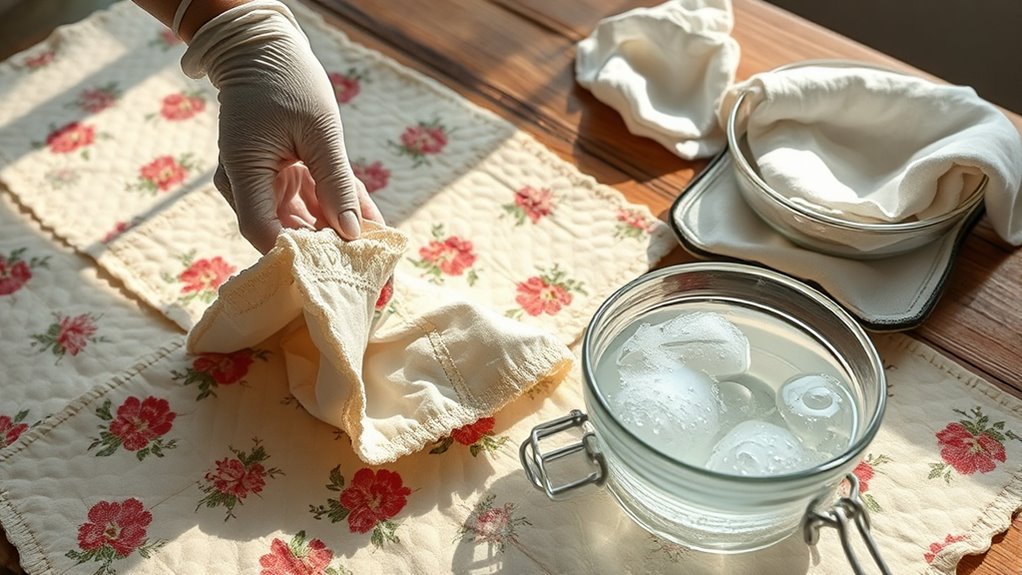
Although you may feel hesitant about cleaning your antique quilt, spot cleaning stains with care can help preserve its beauty without causing damage. Start by identifying the stain types, such as food, ink, or wine, since this will guide your cleaning methods.
For most stains, a gentle approach is key. Dampen a clean cloth with cold water and a mild detergent, then gently dab the stained area. Avoid rubbing, as it can damage the fabric.
If the stain persists, consider using a specialized stain remover, but always test it on a hidden area first.
For delicate fabrics, you can use a mixture of water and white vinegar to treat the stain. Rinse the area with a damp cloth to remove any residue.
How to Dry Your Antique Quilt Safely
To guarantee your antique quilt dries safely, start by laying it flat on a clean, dry surface away from direct sunlight. This helps prevent fading and keeps your quilt’s colors looking vibrant.
Use these drying techniques to improve moisture control:
| Technique | Pros | Cons |
|---|---|---|
| Air Drying | Gentle on fabrics | Takes longer |
| Tumble Dry Low | Quick and efficient | Risk of damage |
| Hanging | Good air circulation | Can stretch fabric |
| Flat Drying | Maintains shape | Requires space |
| Dehumidifier | Controls humidity | Needs electricity |
While drying, check the quilt regularly for any remaining moisture. If your quilt still feels damp, just repeat the drying process until it’s completely dry.
Following these steps will help maintain your quilt’s beauty and make sure it lasts for years to come.
Storing Your Antique Quilt After Cleaning
Once you’ve finished cleaning your antique quilt, it’s really important to store it the right way if you want it to last for years to come. The best place to keep your quilt is somewhere cool and dry—dampness or heat can cause all kinds of problems with old fabrics.
You’ll also want to use acid-free materials, like tissue paper or storage boxes, so the fabric doesn’t yellow or deteriorate over time. And don’t forget to keep your quilt out of direct sunlight; even a little bit of sun can lead to fading or damage. With just a bit of extra care, your antique quilt will stay beautiful for generations.
Choose Appropriate Storage Location
Once you’ve cleaned your antique quilt, finding the right storage location is essential to preserving its beauty and integrity. Aim for ideal environments that are cool, dry, and dark.
Avoid places like attics or basements, where temperature fluctuations and humidity can wreak havoc. Instead, consider a climate-controlled room for peak humidity control, ideally between 30% and 50%.
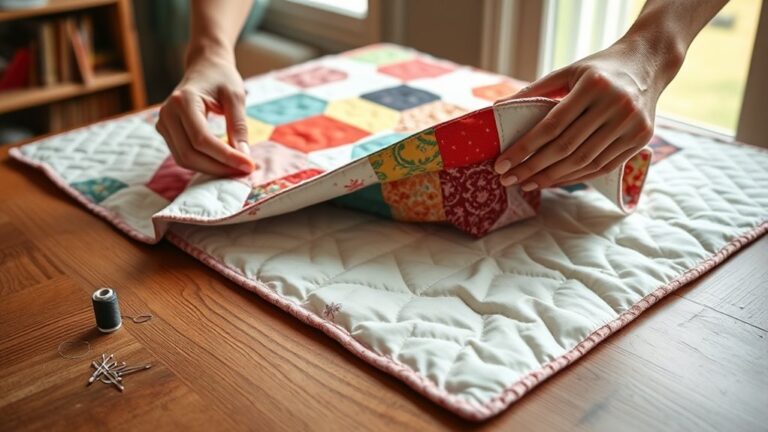
Make certain the quilt is stored flat in a breathable cotton or linen bag to prevent creasing and maintain its shape. If you must fold it, use acid-free tissue paper to cushion the folds.
Regularly check the storage area for signs of moisture or pests, making sure your quilt stays protected for years to come.
Use Acid-Free Materials
Finding the right storage location is just the beginning; using acid-free materials is essential for maintaining your antique quilt’s integrity.
Start by layering your quilt with acid-free paper, which protects it from dust and prevents creasing.
Then, place the quilt inside an archival box, specifically designed for long-term storage. These boxes keep out light and moisture, two enemies of fabric preservation.
Avoid plastic containers, as they can trap humidity and promote mold growth.
When packing, guarantee the quilt isn’t tightly rolled or folded; loose storage allows for air circulation.
This careful approach helps preserve your quilt’s colors and fibers, ensuring it remains a cherished piece for generations to come.
Avoid Direct Sunlight
Direct sunlight can be one of your antique quilt’s worst enemies. It gradually fades colors and weakens fibers over time.
To keep your quilt in pristine condition, it’s essential to store it in a location that avoids direct sunlight. Try to find a spot in your home that stays shaded throughout the day.
Consider using UV protection, like window treatments or storage boxes, to shield your treasured piece. These small steps can make a big difference in preserving your quilt’s beauty.
Here’s a quick guide to help you choose the best storage options:
| Storage Option | Benefits |
|---|---|
| Cotton Bag | Breathable, soft |
| Acid-Free Box | Prevents yellowing |
| Dark Closet | Reduces light exposure |
| Hanging Storage | Keeps shape intact |
| UV-Proof Cover | Blocks harmful rays |
Frequently Asked Questions
Can I Machine Wash My Antique Quilt?
You shouldn’t machine wash your antique quilt. Instead, focus on gentle quilt care to preserve its integrity.
Hand washing is a safer option, using cool water and a mild detergent. If you’re set on machine washing, choose a delicate cycle with a mesh laundry bag, but be cautious.
Always air dry your quilt afterward. Proper washing techniques will help maintain its beauty and prevent damage over time, ensuring it lasts for generations.
What Fabrics Should I Avoid When Cleaning Antique Quilts?
You should avoid delicate fabric types like silk, satin, and tulle when cleaning antique quilts. These fabrics can easily fray or lose their shape with harsh cleaning methods.
Instead, opt for gentle hand washing or spot cleaning with mild detergent. Always test a small area first to guarantee the fabric can handle the method you choose.
How Often Should I Clean My Antique Quilt?
You should clean your antique quilt only when necessary, ideally every few years. Frequent cleaning can damage delicate fabrics, so use quilt preservation techniques to maintain its condition.
When you do clean it, follow careful fabric care tips, like using gentle methods and avoiding harsh chemicals. Always check for specific fabric types and their needs.
This way, you’ll keep your quilt beautiful and intact for years to come, preserving its history and charm.
Are There Any Professional Cleaning Services for Antique Quilts?
Yes, there are professional cleaning services specializing in antique quilts. These experts focus on quilt restoration and fabric preservation, ensuring your treasured piece is handled with care.
They use gentle cleaning methods tailored to delicate fabrics, preventing damage while restoring its beauty. When choosing a service, look for specialists with experience in historical textiles.
This way, you can confidently maintain your quilt’s integrity while keeping it in pristine condition.
What Should I Do if My Quilt Smells Musty?
If your quilt has a musty odor, start by airing it out in a well-ventilated space, preferably outdoors on a dry day. Make sure to avoid direct sunlight, which can fade the fabric.
If the smell persists, consider using a fabric-safe spray designed to neutralize odors. Also, check your quilt storage methods; using breathable bags or boxes can help prevent future mustiness.
Regularly inspect your quilt to keep it fresh.
Conclusion
By following these steps, you can guarantee your antique quilt stays in tip-top shape for years to come.
Remember, treating it with care is like cradling a vintage vinyl record. One wrong move, and it could be ruined!
So, take your time, use the right supplies, and always prioritize safety while cleaning your antique quilt.
With a little patience, you’ll preserve the beauty and history of your cherished quilt.
This way, your antique quilt will remain a timeless treasure for future generations to enjoy.