DIY: Make a Rag Quilt in 5 Simple Steps
Have you ever wanted to try quilting, but felt overwhelmed by complicated patterns and tedious techniques? You’re not alone—many people struggle to find a beginner-friendly way to create a cozy, handmade quilt.
If you crave that comforting, homespun look but don’t know where to start, a rag quilt might be just the answer.
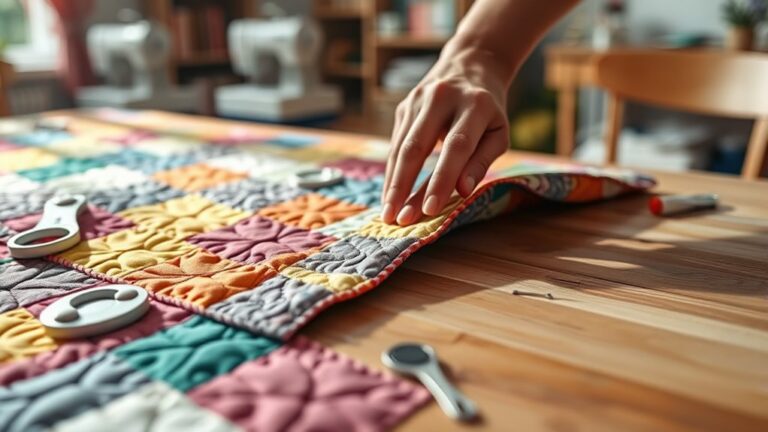
Making a rag quilt is easier than you think! Start by gathering soft cotton flannel or denim for durability, and cut your fabric into squares.
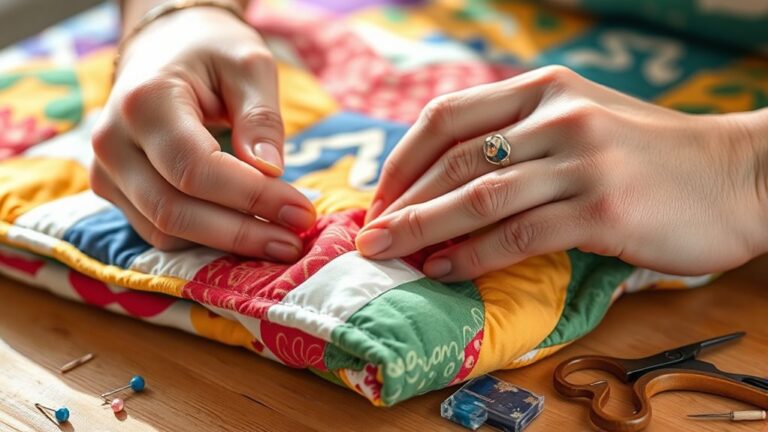
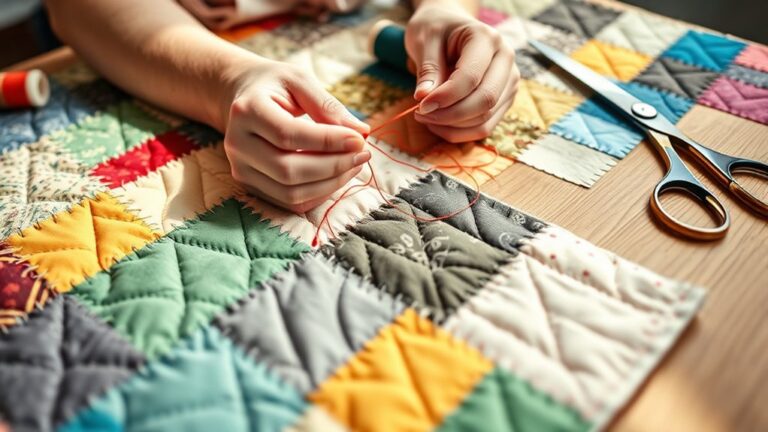
Layer each square with the right sides facing out, pin them together, and sew around the edges.
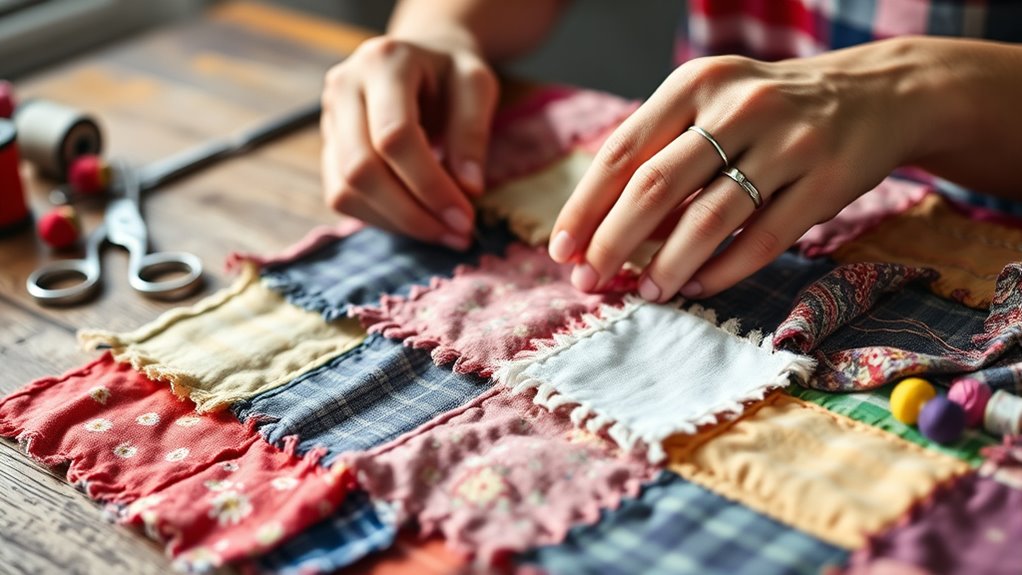
Snip the seams to encourage fraying, then wash the quilt to create that cozy texture.
Finally, care for your quilt with gentle washing.
Keep going to uncover more tips for customizing your unique creation!
Key Takeaways
- Gather soft cotton flannel, denim, or other fabric types. Just make sure they fray well for that charming, classic rag quilt look.
- Cut your fabric into squares. Then, layer them with batting and backing before pinning everything securely in place.
- Sew around the edges using a ¼-inch seam allowance. This helps get the fabric ready for that fun fraying effect.
- Snip the seam allowances every ¼ inch, being careful not to cut through your stitches. This step gives you those signature ragged edges.
- Finally, wash and dry your quilt. This will enhance the fraying while still keeping your fabric strong and intact.
Why You Should Make a Rag Quilt: Essential Materials
Creating a rag quilt is a rewarding project that combines creativity with comfort. You’ll realize that selecting the right fabric types is essential for achieving the perfect look and feel.
Soft cotton flannel and denim are popular choices, providing durability and warmth. These materials fray beautifully, adding that charming ragged edge.
Making a rag quilt also offers numerous benefits. It’s an excellent way to repurpose old clothing or leftover fabric, making it eco-friendly.
Plus, the simplicity of the design means you can easily customize it to reflect your style. By stitching together various fabric types, you create a cozy, unique piece that brings warmth to your home.
What Fabric Is Best for Rag Quilts?
When choosing fabric for your rag quilt, consider materials that not only look great but also fray well.
Fabrics that achieve this balance include:
- Cotton Flannel: Soft and cozy, it frays beautifully and adds texture.
- Fleece Options: These are warm and come in vibrant color combinations, adding a playful touch.
- Cotton Prints: Versatile and durable, cotton prints allow you to mix and match designs while ensuring longevity.
- Denim: For a unique twist, try denim. It offers exceptional fabric durability while creating a rustic charm.
Combining these fabrics can lead to stunning results, so think about how different textures and hues can work together in your quilt.
With the right choices, you’ll not only create a beautiful piece but also one that stands the test of time.
Happy quilting!
Step-by-Step Guide to Assembling Your Quilt Squares
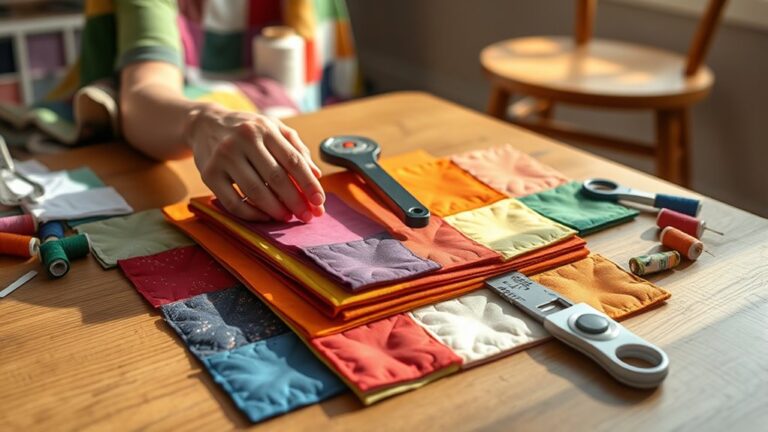
As you plunge into assembling your quilt squares, start by gathering all your fabric pieces and tools. You’ll need your fabric squares, scissors, pins, and a sewing machine.
Begin with fabric layering: place your top piece right side up, followed by the batting, and then the backing fabric right side down. Pin these layers together securely to prevent shifting during sewing.
Next, follow this simple table for your quilt square assembly:
| Step | Action |
|---|---|
| 1. Layout | Arrange squares in desired order |
| 2. Pin | Secure layers together |
| 3. Sew | Stitch around the edges |
After completing these steps, your quilt squares will be ready for the next phase! This method not only guarantees precision but also improves the overall look of your rag quilt.
Enjoy the process!
Sew and Snip: Creating Perfect Ragged Edges
To achieve those charming ragged edges, you’ll need to focus on both your sewing technique and your snipping method. Here’s how you can create those perfect ragged edges:
- Use a ¼-inch seam allowance: This gives you enough fabric to fray, but still keeps the quilt strong and intact.
- Sew in straight lines: Try to keep your stitches uniform. This helps you avoid puckering, which can change how your ragged edges turn out.
- Select your snipping techniques: Grab a pair of sharp scissors and carefully snip through the seam allowances. Make cuts about every ¼ inch, but be sure not to cut through your stitches.
- Fray the edges: Once you’re done snipping, go ahead and wash and dry your quilt. This will help the fabric fray naturally and really bring out those ragged edges you’re after.
How to Finish and Care for Your Cozy Rag Quilt
Finishing and caring for your cozy rag quilt is essential to guarantee its longevity and maintain its charm.
Start by using effective finishing techniques, like double-checking all seams and snipping any loose threads. This’ll improve the quilt’s durability and ensure the ragged edges fluff up beautifully in the wash.
For quilt maintenance, always wash your rag quilt in cold water on a gentle cycle. Avoid fabric softeners that can flatten those lovely frayed edges.
Instead, use a mild detergent to keep the colors vibrant. When drying, opt for a low-heat setting to prevent shrinking or damage.
If your quilt gets stained, treat it promptly with a fabric-safe stain remover.
Frequently Asked Questions
Can I Use Old Clothes for My Rag Quilt?
Yes, you can definitely use old clothes for your rag quilt! They’re perfect for creating unique patchwork patterns.
Look for fabric types like cotton or flannel, as they fray nicely and provide warmth.
Cut your clothes into squares or strips, then mix and match them to form a beautiful design.
Not only will you repurpose fabric, but you’ll also add personal touches that make your quilt special and memorable.
How Do I Choose a Color Scheme?
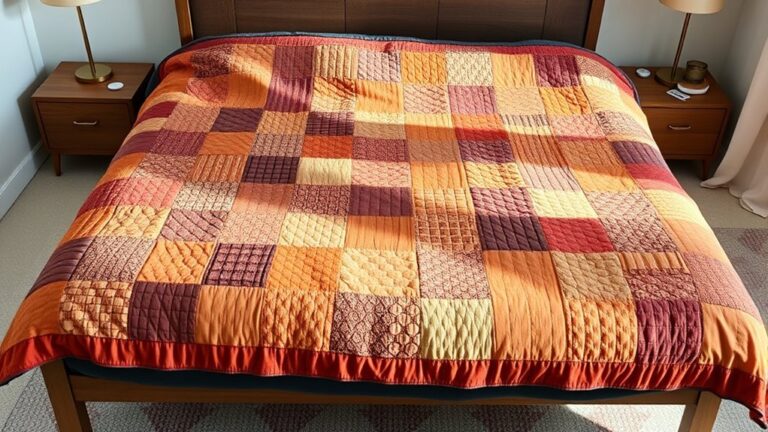
To choose a color scheme, start by picking a color palette that resonates with you. Imagine you’re crafting a quilt for fall; rich oranges, deep reds, and earthy browns create a cozy vibe.
Consider fabric patterns and texture variety to add interest. Incorporate seasonal themes or personal preferences. Maybe you love florals or stripes.
Mix and match until you find a combination that feels right. Make sure your quilt reflects your unique style.
What Is the Best Way to Store My Quilt?
The best way to store your quilt is to keep it in a cool, dry place. Avoid plastic bags; they can trap moisture and promote mildew.
Instead, use breathable cotton storage bags or a clean, dry pillowcase. This allows air to circulate and helps prevent any dampness.
Regarding fabric care, make certain your quilt is clean before storing it. That way, you avoid attracting pests or causing stains to set over time.
Regularly check on your quilt to guarantee it stays fresh and free from pests.
Proper quilt storage keeps it looking beautiful for years!
Can I Machine Wash My Rag Quilt?
Yes, you can machine wash your rag quilt! For the best rag quilt maintenance, use a gentle cycle with cold water.
It’s a good idea to throw in a few towels to balance the load and reduce friction. Avoid fabric softeners, as they can affect the ragged edges.
After washing, tumble dry on low to keep it soft and cozy. Following these washing tips will help your quilt last longer and maintain its charm!
How Long Does It Take to Make a Rag Quilt?
It usually takes about 10 to 15 hours to make a rag quilt, depending on your experience and the complexity of your rag quilt patterns.
You’ll spend time selecting your rag quilt materials, cutting them, and sewing them together.
If you’re a beginner, it might take a bit longer as you get the hang of it.
Just remember to enjoy the process and have fun creating your unique quilt!
Conclusion
As you snuggle under your cozy rag quilt, think of it as a patchwork of memories. Each frayed edge tells a story.
You’ve transformed simple fabric into a warm hug. It becomes a symbol of comfort and creativity.
With every snip and stitch, you’ve woven not just a quilt, but a tapestry of your journey.
So, let your rag quilt be more than a blanket. Let it serve as a reminder that every piece, no matter how worn, has its own beauty—and your rag quilt showcases that perfectly.