How to Safely Wash Your Quilt With a Step-By-Step Guide
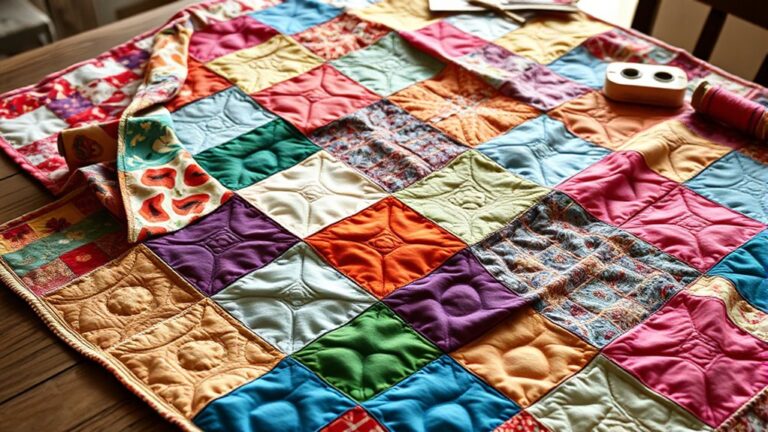
If you love snuggling under a cozy quilt but dread the thought of washing it, you’re not alone. Many people worry about damaging their beloved quilts or fading those vibrant patterns.
The truth is, finding the right way to clean a quilt safely can be overwhelming, especially if you’ve experienced shrinking, bunching, or color bleeding in the past.
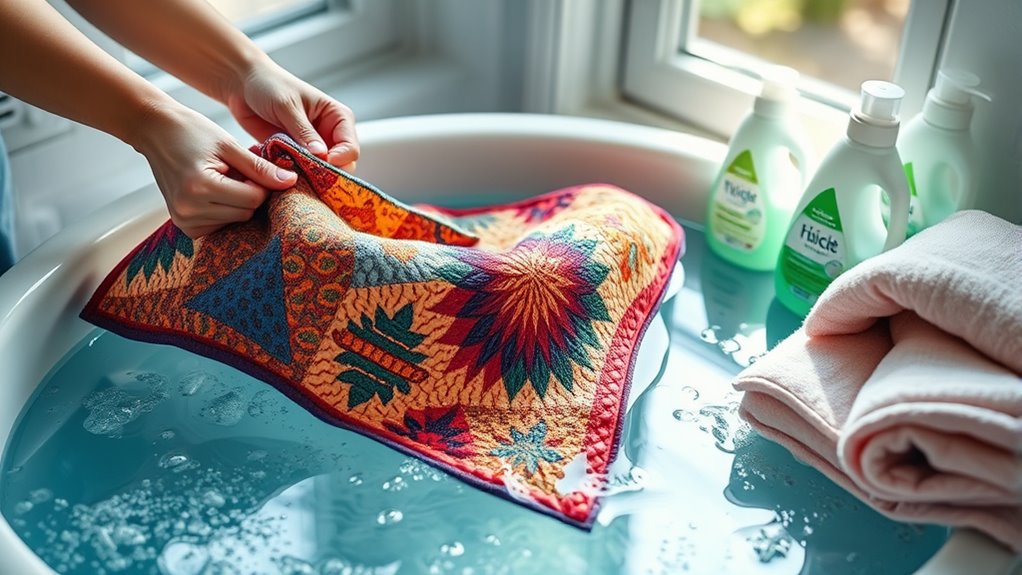
To wash your quilt safely, start by checking the care label and inspecting for damage. You can either machine wash on a gentle cycle with cold water and a mild detergent, or hand wash delicately.
Rinse thoroughly until water runs clear. For drying, air drying is best, but if you use a dryer, set it on low heat.
Proper techniques not only preserve your quilt’s beauty but also extend its life, and there’s more to learn on proper care!
So, if you’re searching for the best ways to wash your quilt safely, we’re here to help guide you through the process with confidence.
Key Takeaways
- Always check the care label for specific washing instructions and fabric suitability before cleaning your quilt.
- Opt for machine washing on a gentle cycle with cold water and a mild detergent for most quilts.
- For delicate quilts, hand wash to control water temperature and avoid harsh agitation.
- Air dry your quilt flat or hang it to prevent heat damage. Try not to leave it in direct sunlight, as that can cause fading.
- Treat stains promptly using appropriate techniques and always test on a small area first to be safe.
Why You Should Wash Your Quilt Regularly
Regularly washing your quilt can make a significant difference in its longevity and your overall comfort. Maintaining quilt hygiene is essential, as it helps remove allergens like dust mites and pet dander that can accumulate over time.
Depending on the fabric types, you should adjust your washing frequency. For heavier quilts, every few months might suffice, while lighter options may need more frequent care.
Adjust your washing frequency based on fabric type; heavier quilts need less frequent washing than lighter ones.
Using the right fabric care techniques can improve quilt longevity and guarantee color preservation. Always check care labels for specific washing instructions, and consider gentle detergents to protect delicate fabrics.
Incorporating maintenance tips, like spot cleaning and using a duvet cover, can extend the time between washes. By prioritizing quilt hygiene and practicing proper care, you’ll enjoy a cleaner, more comfortable sleeping environment while keeping your quilt looking vibrant for years to come.
Assess Your Quilt: Care Labels and Damage Check
Before washing your quilt, it’s important to assess its condition and care instructions.
Start by checking the care labels; they provide essential information on how to clean your quilt safely.
Next, perform a damage assessment to identify any areas that may need special attention.
Here’s what to look for:
- Care Labels: Read them carefully for washing and drying instructions.
- Fabric Integrity: Inspect for tears, loose seams, or fraying edges.
- Stains: Check for any visible stains that may require pre-treatment.
Choosing the Right Washing Method: Machine vs. Hand Wash
When it comes to washing your quilt, you’ve got a couple of options: tossing it in the machine or going the hand wash route. Before you decide, think about things like how big your quilt is, what it’s made of, and whether it has any fragile details or embellishments. These factors can really make a difference in which method will treat your quilt best. Both machine and hand washing have their own set of benefits, so let’s chat about each one and figure out what might be the right fit for you.
Machine Washing Benefits
While hand washing can be gentle on delicate fabrics, machine washing offers several advantages that make it a popular choice for quilt care.
It’s often quicker and more efficient, allowing you to maintain your quilt with ease.
Here are a few benefits of machine washing:
- Time-Saving: You can wash multiple quilts at once, reducing your overall washing frequency.
- Thorough Cleaning: Machines provide a consistent wash, guaranteeing dirt and allergens are effectively removed.
- Convenience: Simply load your quilt, select the right cycle, and let the machine do the work.
For ideal quilt maintenance tips, consider your quilt’s fabric and washing instructions.
Regular machine washing guarantees your quilt stays fresh and extends its lifespan without much hassle.
Hand Washing Advantages
Machine washing is convenient, but hand washing has its own unique benefits that can be especially important for delicate quilts.
When you opt for hand washing, you’ll enjoy gentle cleaning that protects your quilt’s fabric and stitching. This method allows you to control the water temperature and pressure, reducing the risk of damage.
Hand washing benefits also include the ability to focus on stained areas without subjecting the entire quilt to harsh agitation.
Plus, it’s a more intimate process, letting you connect with your quilt’s craftsmanship.
Ultimately, if your quilt features fragile materials or intricate designs, hand washing is the safest choice to maintain its beauty and longevity.
Cherish the care it deserves!
Factors To Consider
Choosing the right washing method for your quilt hinges on several key factors that can impact its care.
Consider these elements to make the best choice:
- Fabric Type: Delicate fabrics may require hand washing, while sturdy materials can often handle machine washing.
- Quilt Age and Stitching Quality: Older quilts with fragile stitching might benefit from gentle hand washing to prevent damage.
- Filling Material: Some fillings, like wool or synthetic fibers, react differently to washing methods.
Before you wash, don’t forget to perform a colorfastness test, especially if your quilt has embellishments.
Finally, think about your washing frequency. If you wash your quilt more often, you may need to use a gentler approach each time.
Preparing Your Quilt for Washing: Tools and Supplies Needed
Before you get started with washing your quilt, it’s a good idea to gather all the essential tools and supplies ahead of time. Having everything on hand will make the process a lot smoother and less stressful.
You’ll want to choose the right detergent—something gentle that will help keep your quilt looking fresh and vibrant without causing any damage.
Essential Tools Required
Washing your quilt requires a few essential tools to guarantee the process goes smoothly.
Proper quilt care hinges on having the right supplies, especially if you’re washing it regularly.
Here’s what you’ll need:
- Gentle detergent: Choose a mild option to protect your quilt’s fabric and colors.
- Large washing machine: A front-loader or a top-loader without a central agitator helps prevent damage.
- Drying space: A flat surface or a large drying rack allows for proper air circulation.
Recommended Detergents To Use
When it involves selecting a detergent for your quilt, opting for a gentle formula is essential to maintain its integrity.
Look for eco-friendly options that are free from harsh chemicals. These will help preserve the fabric and colors.
Pay attention to detergent concentration. Concentrated formulas require less product, which can be beneficial for your quilt’s longevity.
Here’s a quick comparison of recommended detergents:
| Detergent Name | Features |
|---|---|
| Woolite | Gentle, color-safe |
| Seventh Generation | Eco-friendly, plant-based |
| Ecover | Biodegradable, low suds |
| Tide Free & Gentle | Hypoallergenic, concentrated |
| Mrs. Meyer’s | Natural ingredients, pleasant scent |
Choose wisely to keep your quilt looking beautiful for years to come!
Step-By-Step Instructions for Washing Your Quilt
To guarantee your quilt stays in great shape, follow these step-by-step instructions for washing it properly.
Start by checking the care label for specific fabric care techniques.
Then, prepare your washing machine by setting it to a gentle cycle with cold water.
Here’s a quick checklist to follow:
- Use a mild detergent that’s safe for fabrics.
- Avoid fabric softeners to prevent coating the fibers.
- Load the quilt loosely to assure even cleaning.
Once you’ve loaded the quilt, let the machine do its job.
Remember, these quilt maintenance tips will help prolong its life and keep it looking fresh.
After the wash, you’ll be ready to move on to rinsing and drying, but for now, focus on getting this washing step just right.
Happy washing!
Rinsing and Drying Your Quilt Safely
After you’ve washed your quilt, the next important step is rinsing it really well to get rid of any leftover soap. Different quilts might need different rinsing approaches, so it’s a good idea to think about what your quilt is made of before you start.
Once you’re sure all the soap is out, drying comes next. Picking the right drying method is key because it helps keep your quilt’s shape and makes sure the texture stays just the way you like it.
Rinsing Techniques Explained
While rinsing your quilt might seem straightforward, it’s essential to use the right techniques to guarantee it remains in good condition.
Proper rinsing helps remove soap residue and keeps your quilt vibrant. Here are some effective rinsing techniques you should follow:
- Use cool water: This helps preserve the fabric and colors.
- Employ gentle agitation: Avoid harsh scrubbing. Instead, lightly swirl the quilt in the water to dislodge any soap.
- Repeat until clear: Rinse multiple times until the water runs clear, ensuring all detergent is removed.
Drying Methods Overview
After rinsing your quilt, choosing the right drying method is essential to maintain its quality and longevity.
Air drying is often the safest option, as it prevents any potential heat damage. Lay your quilt flat on a clean surface, or hang it over a sturdy line, ensuring it’s evenly supported to avoid stretching.
If you prefer using a dryer, opt for a low heat setting and include dryer balls to help fluff it up. Always check the quilt’s care label for specific drying instructions.
Proper quilt maintenance involves taking these extra steps, ensuring your quilt stays beautiful and functional for years to come.
Effective Stain Removal: How to Tackle Common Quilt Stains
When you notice a stain on your quilt, tackling it promptly can prevent it from setting in and becoming a bigger problem.
Different stain types require specific removal techniques, so it’s essential to act quickly and effectively.
Here’s how to handle common stains:
- Food Stains: Blot with cold water, then use a mild detergent and rinse.
- Grease Stains: Sprinkle cornstarch on the stain, let it sit, then brush off and wash with a gentle soap.
- Ink Stains: Dab rubbing alcohol on a cotton ball and gently blot the area until the ink lifts.
Always test any removal technique on a small, inconspicuous area first to guarantee it doesn’t damage your quilt.
With these tips, you can keep your quilt looking fresh and clean, ready for cozy nights ahead!
How to Keep Your Quilt Looking Great for Years
Keeping your quilt looking great for years goes beyond just stain removal. It’s essential to practice proper quilt care tailored to the specific fabric types your quilt features.
First, avoid direct sunlight, as UV rays can fade colors and weaken fibers. Instead, store your quilt in a cool, dark place when it’s not in use.
Avoid direct sunlight to protect your quilt from fading and weakening; store it in a cool, dark place when not in use.
Regularly inspect your quilt for any signs of wear or loose threads. Addressing these issues promptly can prevent further damage.
If your quilt has embellishments or delicate fabrics, consider using a protective cover when storing.
When washing, opt for a gentle detergent suitable for all fabric types, and always follow the care instructions. Finally, remember to handle your quilt with care during washing and drying to maintain its shape and integrity.
Drying Your Quilt: Techniques to Avoid Damage
To prevent damage while drying your quilt, it’s essential to choose the right method.
Air drying is the safest option, as it helps maintain your quilt’s shape and fabric integrity.
Here are some techniques to guarantee proper quilt maintenance:
– Lay Flat: Spread your quilt on a clean, dry surface, like a large table or a bed.
This keeps it from stretching.
– Hang to Dry: If you prefer hanging, use a padded hanger or a clothesline.
Make sure it’s supported evenly to avoid sagging.
– Avoid Direct Sunlight: While drying, keep your quilt in a shaded area.
This prevents fading and fabric deterioration.
When DIY Isn’t Enough: Professional Cleaning Options
Though many quilts can be cleaned at home, there are times when DIY methods just won’t cut it. If your quilt has stubborn stains or delicate fabrics, or you simply want a thorough clean, it might be time to weigh professional services.
Quilt specialists have the expertise to handle various materials and can provide eco-friendly options that are gentle on your quilt and the environment.
Here’s a quick comparison to help you decide:
| Service Type | Benefits | Estimated Cleaning Costs |
|---|---|---|
| Local Quilt Shop | Expertise in all quilt types | $30 – $100 |
| Dry Cleaners | Quick turnaround, stain removal | $20 – $80 |
| Specialized Cleaners | Eco-friendly products, custom care | $50 – $150 |
Investing in professional cleaning guarantees your quilt receives the best treatment while extending its lifespan.
Frequently Asked Questions
Can I Use Bleach on My Quilt?
You shouldn’t use bleach on your quilt, as it can damage the fabric and colors.
Instead, try bleach alternatives like oxygen bleach, which are gentler and effective.
Before using any product, conduct a colorfast test on a small, hidden area to verify it won’t harm your quilt.
Keeping your quilt looking fresh is important, so opt for safer cleaning methods that won’t compromise its integrity or beauty.
How Often Should I Wash My Quilt?
You don’t need to be a time traveler to know that washing your quilt every three to six months is ideal for quilt care.
If you spill something or it gets really dirty, go ahead and wash it sooner.
Keeping up with this washing frequency helps maintain its beauty and extends its life.
Just remember to follow the care instructions specific to your quilt’s fabric to keep it looking great!
Is It Safe to Dry Clean My Quilt?
Yes, it’s generally safe to dry clean your quilt, but you should consider the fabric and any embellishments. Always check the care label first.
If you choose dry cleaning options, look for a cleaner experienced in quilt care to avoid damage. Make sure they use gentle methods and non-toxic solvents.
Regular maintenance, like spot cleaning, can help extend your quilt’s life between cleanings. You’ll keep it looking fresh and vibrant longer!
Can I Wash My Quilt With Other Laundry?
You shouldn’t wash your quilt with other laundry. Mixing it with heavier items can lead to damage or uneven cleaning.
For best quilt care, stick to washing it alone or with similar lightweight items. This way, you prevent snagging and guarantee it gets the gentle treatment it deserves.
Follow these laundry tips and your quilt will stay cozy and vibrant for years. Always check care labels for specific instructions, too!
What if My Quilt Shrinks After Washing?
If your quilt shrinks after washing, don’t panic! Different fabric types react differently to water and heat, so quilt care is essential.
To prevent future shrinkage, always wash in cold water and air dry or use a low heat setting.
You might also consider pre-shrinking fabric before making a quilt.
If you notice significant shrinkage, you can gently stretch it back into shape while it’s still damp.
Conclusion
Now that you know how to wash your quilt, imagine the fresh scent of clean fabric wrapping you in warmth as you snuggle under it.
Regular care keeps those cherished memories alive, ensuring your quilt remains a cozy companion for years to come.
Whether you choose to wash your quilt yourself or seek professional help, your quilt deserves that love and attention.
So go ahead, give your quilt the care it needs, and enjoy the beauty of your revitalized treasure!