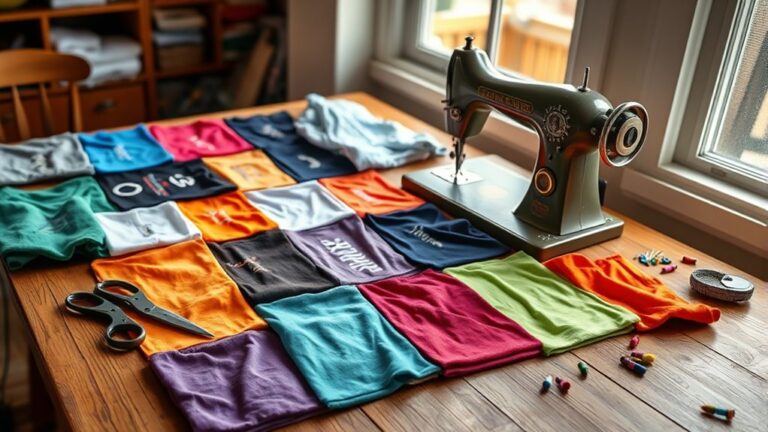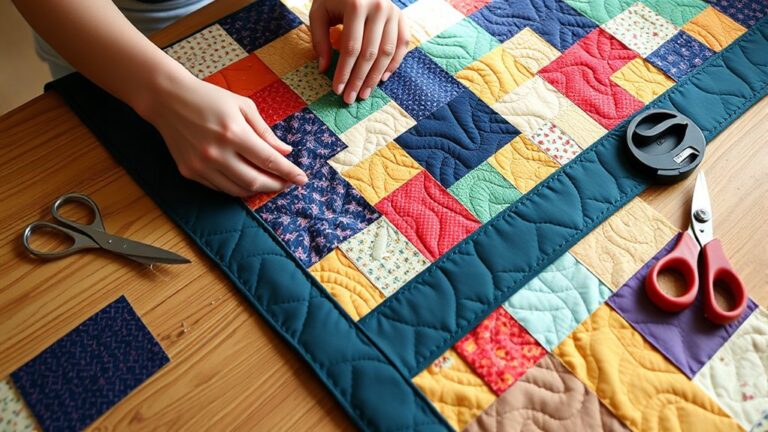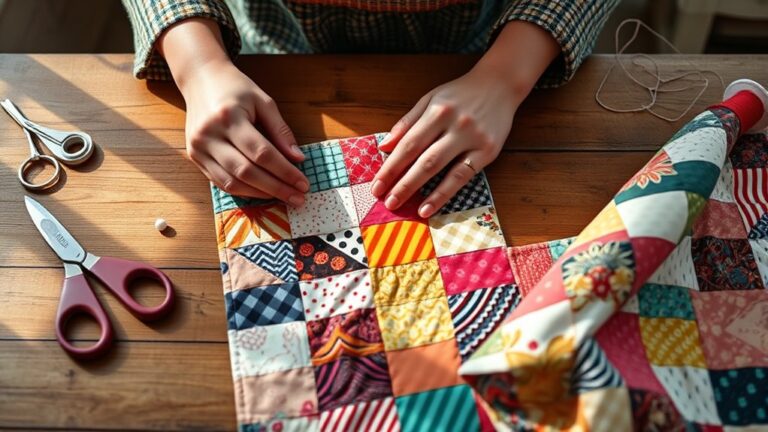
Understanding Quilting: What Does It Mean and How to Start?
If you’ve ever admired a handmade quilt and wondered how to start quilting yourself, you’re not alone. Many people feel overwhelmed by the sheer number of quilting styles, tools, and techniques out there. Finding the right guidance can be tricky, but don’t worry—many beginners have been in your shoes and found their way to quilting success.
Quilting blends artistry and practicality, letting you create beautiful pieces with personal meaning. It has a rich history, reflecting culture and community.
To start quilting, investigate different quilt styles, like traditional or modern, and familiarize yourself with basic techniques.
Choosing the right fabrics is essential; cotton is popular for a reason.
Make sure you have essential tools like a sewing machine and cutting mat.
If you’re enthusiastic to learn more, there are plenty of tips and tricks to investigate!
Key Takeaways
- Quilting combines historical significance and cultural traditions. It symbolizes warmth, community, and storytelling through fabric and design.
- Take some time to familiarize yourself with various quilt styles. These include traditional, modern, art, patchwork, and applique techniques.
- When choosing fabrics, focus on cotton for durability. Also, think about color combinations and textures to create visual appeal.
- Essential tools you’ll need are a sewing machine, rotary cutter, quilting rulers, and high-quality thread. These help make quilting efficient and precise.
- Try to avoid common mistakes, like skipping fabric pre-washing. Proper quilt care is also key for maintaining longevity and beauty.
What Is Quilting and Its Historical Significance?
Quilting, an art form that stitches together layers of fabric, has deep historical roots that reflect cultural traditions and practical necessity. The quilt origins trace back to ancient civilizations, where they provided warmth and protection.
Quilting intertwines cultural traditions and practical needs, tracing its origins back to ancient civilizations that sought warmth and protection.
As you investigate the history of quilting, you’ll uncover its cultural significance across various societies. In many cultures, quilts weren’t just functional; they symbolized community, storytelling, and family heritage.
You might find it fascinating that quilts often served as a way to commemorate significant life events, such as births or weddings. In some communities, quilting bees became social gatherings, fostering connections among participants.
This communal aspect really highlights how quilting transcended mere craft. It became a crucial expression of identity and creativity.
Understanding this historical context can deepen your appreciation for quilting and inspire your own projects. Embracing its rich history can enrich your journey into this beautiful art form.
Exploring Different Quilt Styles
When you plunge into the world of quilts, you’ll uncover a stunning array of styles that reflect different techniques, cultures, and personal expressions.
Traditional quilts often feature intricate patterns and historical significance, while modern quilts incorporate bold colors and innovative designs. Art quilts push boundaries, focusing on quilt aesthetics as a form of expression.
You’ll also encounter patchwork designs, where various fabric choices come together to create unique quilt blocks, showcasing your creativity. Applique techniques add depth and detail to your projects, allowing for personalized touches.
Each quilting style offers something distinct, whether you’re drawn to the nostalgia of historical quilts or the fresh vibe of modern quilts.
No matter your preference, exploring these styles will enrich your quilting journey and help you find your unique voice in this beautiful craft.
Basic Quilting Techniques for Beginners
Diving into the basics of quilting can feel overwhelming, but it doesn’t have to be.
Start with fabric cutting; precise cuts make all the difference in your patchwork designs.
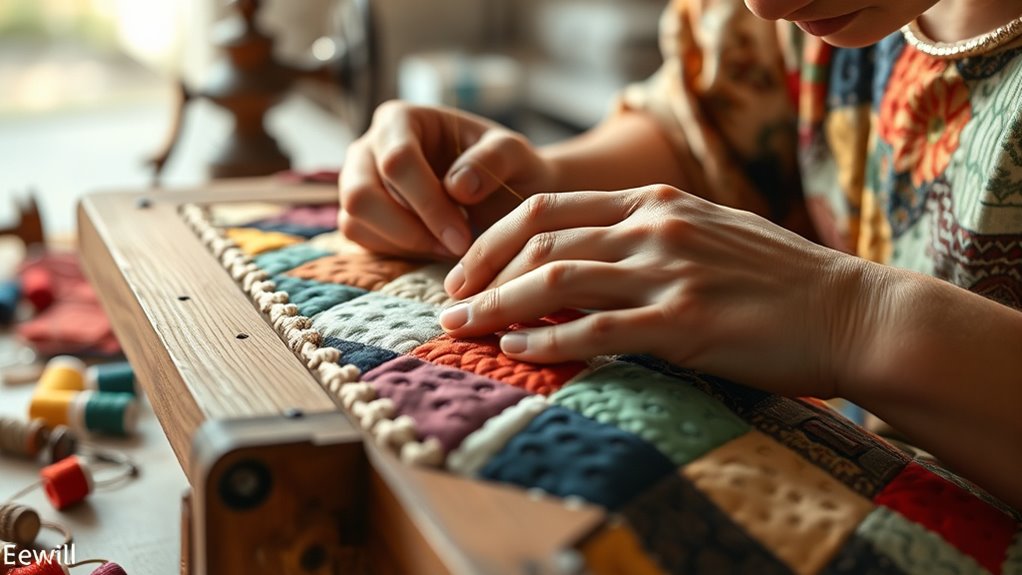
You can choose hand piecing for a traditional approach or machine quilting for speed and efficiency.
Once your pieces are sewn together, you’ll want to layer them with quilt batting, which adds warmth and texture.
Next, pay attention to quilt borders. They frame your design and can improve its overall look.
When you’re ready to finish, investigate binding techniques to neatly enclose the edges of your quilt.
Familiarizing yourself with essential quilting terminology will also boost your confidence.
Choosing the Best Fabrics for Quilting
Selecting the right fabrics is key to achieving a beautiful quilt.
You’ll want to reflect on several factors to guarantee your quilt turns out just as you envisioned.
Here are three essential tips:
1. Fabric Types: Choose between cotton, flannel, or silk.
Cotton is the most popular for its durability and ease of use.
2. Color Combinations: Opt for colors that complement each other.
Utilize a color wheel to find harmonious palettes that resonate with your theme.
3. Texture Choices: Incorporate various textures, but be mindful of fabric weight and pattern scale to maintain balance in your design.
Don’t forget about fabric blends. Mixing different types can add depth and interest.
Always pre-wash your fabrics to prevent shrinkage and ensure your quilt maintains its beauty over time.
With these reflections in mind, you’re on your way to creating a stunning quilt!
Essential Tools Every Quilter Needs to Get Started
To kick off your quilting journey, having the right tools is essential.
First, a reliable sewing machine will make your stitching smoother and more efficient. You’ll also need a rotary cutter for precise fabric cutting, along with a cutting mat to protect your surfaces.
A quilting ruler helps you measure and cut accurately, ensuring your pieces fit together perfectly.
Don’t forget a good pair of fabric scissors for trimming threads and making quick cuts.
Next, focus on thread selection. Choose high-quality threads that match your project’s fabric.
Different needle types are vital too. Make sure to have a variety on hand to accommodate different fabrics and batting options.
Having these essentials will set you up for success and make your quilting experience enjoyable.
Happy quilting!
How to Select the Perfect Quilt Pattern for Your Style
What makes a quilt pattern truly resonate with your personal style?
Choosing the right pattern can enhance your project and reflect your personality and taste.
Here’s how to select the perfect quilt pattern:
1. Identify Your Aesthetic:
Do you lean toward modern patterns with bold colors?
Or do traditional techniques with intricate designs speak to you?
Knowing your style helps narrow down choices.
2. Consider Your Skill Level:
If you’re new to quilting, start with simpler patterns.
Traditional techniques often have beginner-friendly options that teach essential skills without overwhelming you.
3. Think About the Purpose:
Is this quilt meant for a special occasion, or is it just a cozy addition to your home?
The purpose can guide you in selecting a pattern that fits both your needs and desires.
How to Create Your First Quilt: A Step-by-Step Guide
Making your first quilt is such an exciting adventure. It all begins with picking out your favorite fabric colors—this is where your creativity really gets to shine! Before you dive in, you’ll want to gather a few basic quilting tools. Don’t worry, you don’t need a ton of fancy equipment to get started.
Once you’ve got your supplies, it’s time to learn some simple stitching techniques. These skills are easier than you might think, and they’ll help you piece everything together beautifully. Let’s walk through the process step-by-step, so you’ll feel totally confident as you create your very first quilt.
Choosing Your Fabric Colors
How do you choose the perfect fabric colors for your first quilt?
Start by exploring your personal preferences and what resonates with you.
Consider these three tips:
1. Color Theory:
Use contrasting hues to create visual interest.
Think about color wheels and how colors complement or clash.
2. Seasonal Palettes:
Draw inspiration from nature. Spring may call for soft pastels,
while fall could inspire rich, warm tones.
3. Fabric Textures:
Mix different fabric origins and textures to add depth.
Combining graphic patterns with solids can enhance your quilt’s design.
Basic Quilting Tools Needed
After selecting your fabric colors, gathering the right tools is the next step in bringing your quilt to life.
You’ll need a reliable sewing machine to stitch your quilt layers together.
Choose cutting tools like rotary cutters and a mat to guarantee precise fabric cutting.
Different fabric types can affect your quilt’s texture, so make certain to select ones that work well together.
Don’t forget batting options for warmth and dimension. Cotton or polyester are popular choices.
Finally, familiarize yourself with various quilt patterns to guide your design.
Having these essential quilting accessories on hand will make your quilting experience smoother and more enjoyable.
Now you’re ready to start creating your first quilt!
Simple Stitching Techniques
Starting your quilting journey involves mastering simple stitching techniques that lay the foundation for your project.
Whether you choose hand stitching or machine quilting, understanding these basics will improve your skills.
Here are three essential techniques to get you started:
- Fabric Layering: Begin with your chosen fabric types, layering them securely to prevent shifting during stitching.
- Pattern Selection: Choose a simple pattern that suits your skill level, allowing you to focus on perfecting your stitching techniques.
- Thread Choices: Select the right thread for your fabric, ensuring durability and a smooth finish during quilt finishing.
Avoid These Common Quilting Mistakes
When you dive into quilting, it’s totally normal to miss a few important steps at first. For example, if you skip pre-washing your fabric, you might be surprised later by shrinking or colors bleeding. And trust me, not taking careful measurements can send your whole design off track, which is super frustrating after all your hard work.
Skipping Fabric Pre-Washing
Although it might seem like a time-saver, skipping fabric pre-washing can lead to a host of problems in your quilting projects.
Here are three issues you might face:
- Fabric Shrinkage: If you don’t pre-wash, your quilt may warp after the first wash, ruining your hard work.
- Dye Bleeding: Unwashed fabrics can bleed during washing, leaving unsightly stains on your quilt and ruining your color scheme.
- Texture Changes: Some fabrics feel different once washed; you might end up with unexpected textures that don’t match your vision.
Taking the time to pre-wash your fabric guarantees your final project is beautiful and durable.
It really does save you headaches down the road, so don’t skip this vital step!
Ignoring Accurate Measurements
Accurate measurements are essential in quilting, as even a small mistake can throw off your entire project. Ignoring seam allowances can lead to blocks that don’t fit together properly, causing frustration and wasted time.
When you underestimate or overestimate fabric requirements, you might find yourself scrambling to match dye lots or running out of fabric mid-project. Always measure twice and cut once; this old adage holds true.
Use a reliable ruler and always account for those seam allowances when planning your cuts. Double-check your calculations to avoid unpleasant surprises.
Top Tools Every Beginner Quilter Should Have
Every beginner quilter should have a few essential tools to set them up for success. These tools will help you create beautiful quilts with ease and precision.
Here are three must-haves:
1. Rotary Cutter and Cutting Mats:
A rotary cutter allows for precise cuts, while cutting mats protect your surfaces and help maintain blade sharpness.
2. Quilting Rulers:
These help you measure and cut fabric accurately, ensuring your pieces fit together perfectly.
3. Fabric Scissors and Marking Tools:
Sharp fabric scissors make cutting easier, and marking tools help you lay out designs and make seam allowances.
Additionally, investing in a good sewing machine and pressing tools will really enhance your quilting experience.
Don’t forget about storage solutions to keep your materials organized.
With these tools, you’ll be well-equipped to start your quilting journey!
Caring for Your Quilts: Essential Tips
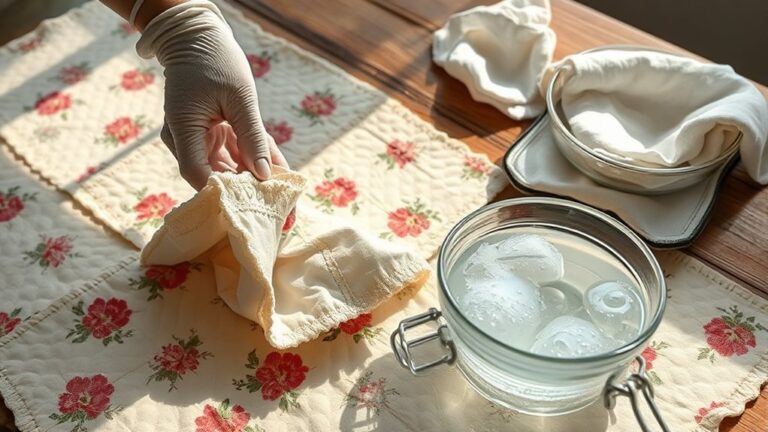
Caring for your quilts is essential to keep them looking beautiful and lasting for years. Start with proper quilt storage. Always store your quilts in a cool, dry place away from direct sunlight, which can fade colors and damage fabrics.
Proper quilt storage is vital; keep them in a cool, dry place away from sunlight to preserve their beauty.
Use breathable cotton storage bags or acid-free tissue paper to prevent dust and moisture buildup. For quilt maintenance, wash your quilts only when necessary. When you do, opt for a gentle cycle with mild detergent, and avoid bleach.
Air-dry your quilts flat or hang them to preserve their shape. If you notice any stains, treat them promptly with a spot cleaner suitable for fabric.
Regularly check for signs of wear or damage, and repair any small tears right away to prevent further issues. By following these simple tips, you’ll guarantee your quilts stay vibrant and cherished for generations.
Frequently Asked Questions
Can Quilting Be a Sustainable Hobby?
Absolutely, quilting can be a sustainable hobby! You can make eco-friendly choices by selecting fabrics from sustainable resources or opting for organic materials.
Incorporating upcycling materials, like old clothes or scraps, not only reduces waste but also adds unique character to your quilts.
How Do I Fix Mistakes While Quilting?
Mistakes in quilting are like knots in a thread; they can be untangled. When you spot a mistake, don’t panic.
Use seam rippers for small errors and stitch them out carefully. For larger issues, you might need to cut out sections and re-sew them.
Practice different quilting techniques to prevent future mishaps. Remember, every quilter makes mistakes; it’s how you correct them that truly matters.
Welcome the journey and learn from each stitch!
What Are Common Quilting Terms I Should Know?
You should know terms like batting types, which affect warmth, and different quilting patterns that add design.
Familiarize yourself with fabric choices, as they impact your quilt’s look. Don’t forget about quilting tools like rotary cutters and rulers, plus stitching techniques for finishing edges.
Understanding quilt backing is essential for stability, while binding methods keep everything neat.
Finally, seek design inspiration to spark your creativity and guide your projects.
Can I Quilt Without a Sewing Machine?
Yes, you can definitely quilt without a sewing machine! Hand stitching gives your quilt a personal touch and allows you to connect with the fabric choices you make.
Start by selecting your favorite materials, then cut and piece them together by hand. While it may take longer than machine quilting, the process can be incredibly rewarding.
Enjoy every stitch, and don’t rush; your quilt will reflect your dedication and creativity.
How Do I Join a Quilting Community?
Joining a quilting community is like diving into a warm, cozy blanket. Start by exploring online forums where you can connect with fellow quilters.
Look for local guilds that meet regularly; they’re a great way to learn and share. Don’t forget social media. Follow quilting pages and groups for tips and inspiration.
Finally, consider signing up for quilting workshops to meet people and improve your skills. You’ll feel right at home in no time!
Conclusion
Quilting’s a wonderful way to weave creativity and comfort into your life.
By immersing yourself in diverse designs and mastering basic techniques, you can transform fabric into fantastic quilts.
Don’t forget to gather your go-to tools and choose cheerful colors to spark joy.
As you stitch and savor each moment, you’ll not only craft cozy creations but also connect with an enchanting community.
So, roll up your sleeves, and let your quilting journey begin!
With every step, you’ll discover what quilting truly means and how rewarding it is to start your own creative adventure.