How to Craft Flint and Steel for Fire
Ignite Your Adventure: Mastering Flint and Steel
If you’ve ever found yourself struggling to start a fire in the great outdoors, you’re not alone. Many people face the frustration of trying to spark a flame with limited resources.
But the good news is that mastering the art of crafting flint and steel for fire can transform your camping experience.
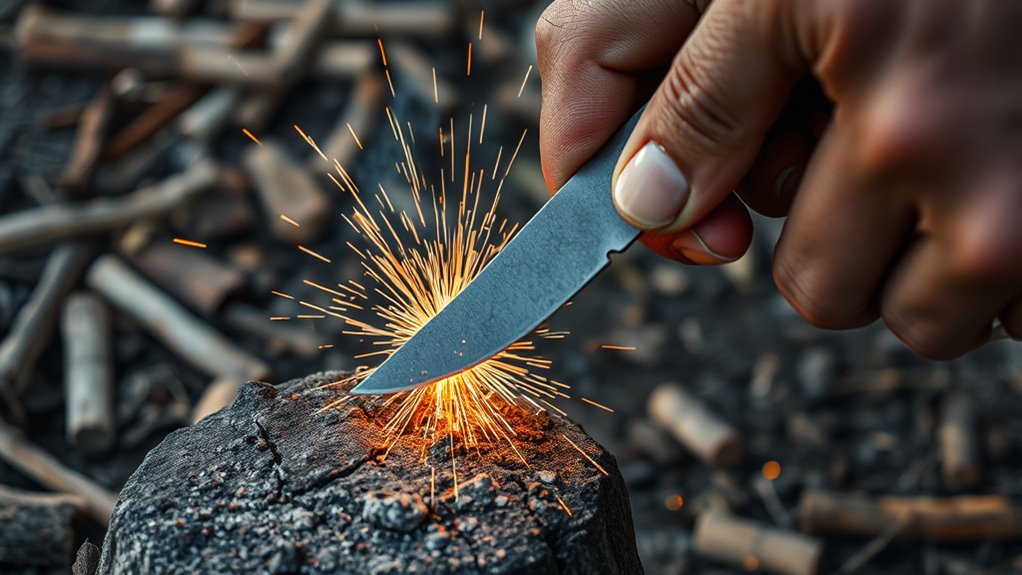
To craft flint and steel for fire, gather quality flint, a durable steel striker, and dry tinder. Strike the steel against the flint at a 45-degree angle to create sparks.
Direct those sparks toward your tinder, ensuring it’s flammable and dry.
Use kindling to build your fire once the tinder ignites.
Remember, practice makes perfect. If you keep going, you’ll uncover more tips and techniques to master this essential survival skill.
Key Takeaways
- Select Quality Flint: Choose hard, sharp pieces like chert that produce effective sparks for ignition in fire-making.
- Acquire a Steel Striker: Use high-carbon steel for durability. Ferrocerium is also an excellent option for reliable sparks.
- Gather Tinder and Kindling: Collect dry, flammable materials such as cotton balls and small twigs to facilitate successful ignition.
- Practice Striking Technique: Strike steel against flint at a 45-degree angle with consistent pressure. This will help generate sparks towards the tinder.
- Ensure Safe Conditions: Choose a safe, clear area for fire-making, away from flammable materials. It’s a good idea to have water or a fire extinguisher nearby.
Why Flint and Steel Is Essential for Fire-Making
When you’re out in the wilderness, having the right tools for fire-making can make all the difference. Flint and steel are among the most reliable options.
Their historical significance can’t be overstated; these tools have helped countless generations survive in harsh conditions. By using flint and steel, you’re tapping into a method that’s stood the test of time. It’s essential for warmth, cooking, and signaling.
Mastering this fire-making technique improves your survival skills. It allows you to create fire even in damp environments. Unlike modern methods, flint and steel require minimal resources, making them ideal for backpacking or emergency kits.
With practice, you can swiftly ignite tinder, ensuring you’re never left in the cold. This skill not only boosts your confidence in the wild but also connects you to the rich history of human ingenuity.
Essential Materials for Your Flint and Steel Kit
Flint and steel are only as effective as the materials you include in your kit. To honor the fire-starting history and traditional techniques, gather essential items that guarantee success in creating fire. Here’s what you should include:
- Quality Flint: Look for hard, sharp pieces that create sparks when struck.
- Steel Striker: Choose a durable piece that can easily produce sparks upon contact with flint.
- Tinder: Gather dry, flammable materials like cotton, dry leaves, or finely shredded bark to catch those sparks.
These elements are vital. The right flint and steel components can make your fire-making efforts much more efficient. By focusing on quality materials, you’ll be better prepared to ignite flames quickly and effectively.
The right flint and steel components are essential for efficient fire-making, ensuring quick and effective ignition.
Just like our ancestors did with their traditional techniques, gather these essentials and get ready to spark your fire!
Selecting the Right Flint and Steel Components
Choosing the right components for your flint and steel setup is crucial for successful fire-making. The choice of flint and steel directly impacts spark generation and overall material durability.
When selecting, consider the following table:
| Component | Best Material | Key Feature |
|---|---|---|
| Flint | Chert | Excellent sparks |
| Steel | High-carbon | Durable and strong |
| Striker | Ferrocerium | Reliable ignition |
Flint like chert produces sharp shards that create effective sparks when struck. High-carbon steel is preferred for its durability and ability to withstand repeated strikes.
For a striker, ferrocerium is an excellent choice, generating a shower of sparks upon contact with metal. By carefully choosing these components, you’ll improve your fire-making skills and guarantee a reliable setup.
Step-by-Step Guide to Crafting Your Flint and Steel
Now that you’ve selected the right components for your flint and steel setup, it’s time to put them together. Follow these steps to craft your flint and steel effectively:
Choose your flint type: Select a reliable flint type, like chert or quartz, to guarantee a good spark.
Pick the right steel grade: Opt for high-carbon steel, as it’s known for producing the best sparks.
Shape your tools: Use a file to create a sharp edge on your steel. Make sure your flint is small enough to handle easily.
Once you’ve completed these steps, you’ll have a solid flint and steel setup ready for fire-making.
Mastering the Strike: Techniques for Effective Flint and Steel Fire-Making
While mastering the art of fire-making with flint and steel may seem challenging, the right techniques can make all the difference.
Start by experimenting with different striking angles. A 45-degree angle often produces the best results. Strike the steel firmly against the flint, ensuring your movements are controlled and deliberate. This helps create a consistent spark.
Next, focus on spark positioning. Aim to direct the sparks toward your tinder. A good way to practice is to hold your tinder close to the flint and steel, allowing the sparks to land directly on it.
Focus on directing sparks toward your tinder by holding it close to the flint and steel for optimal results.
Be aware of wind direction, as it can hinder your efforts.
Additionally, don’t rush the process; patience is key. With practice, you’ll develop a rhythm and confidence in your strikes. This will enhance your fire-making success.
Stick with it, and you’ll soon be lighting fires effortlessly!
Choosing the Best Tinder and Kindling for Your Fire
After perfecting your striking technique, the next step is selecting the right materials to ignite your fire.
The key is understanding the fire triangle: heat, fuel, and oxygen. Choosing the best tinder and kindling guarantees your fire’s sustainability and minimizes environmental impact.
Look for natural fibers like dry grass, leaves, or pine needles, which catch sparks easily.
Fire starters such as cotton balls soaked in petroleum jelly or homemade waxed cardboard can improve ignition.
For kindling, choose materials with low moisture levels, like small sticks or twigs, to help transition from tinder to larger fuel types.
Common Fire-Making Mistakes and How to Avoid Them
When you’re making a fire, it’s super easy to miss some important details that can really lead to frustration. You know, like ignoring dry materials or using poor striking techniques. And don’t even get me started on applying inconsistent pressure! These are common mistakes, but the good news is you can totally avoid them.
Let’s take a closer look at how to spot these issues and fix them. This way, you can ensure your fire starts smoothly every single time. Sound good? Let’s dive in!
Ignoring Dry Materials
If you underestimate the importance of dry materials, you’re likely setting yourself up for failure when trying to start a fire. Throughout fire starting history, ancient techniques relied heavily on the availability of dry tinder. Without it, even the best flint and steel won’t spark a flame.
Here’s what to keep in mind:
Gather dry leaves, grass, or bark. These catch fire quickly and can sustain a flame.
Avoid damp wood. Even if it seems dry, moisture can linger, making ignition difficult.
Check the surrounding environment. Sometimes, the best materials are hidden in unexpected places, like under rocks or inside tree hollows.
Poor Striking Technique
Mastering the striking technique is essential for successfully igniting a fire with flint and steel. If you’re using poor striking angles, you’ll struggle to generate sparks effectively.
Aim to strike the flint at a sharp angle. This allows the steel to scrape off fine shavings that catch fire.
Remember, the durability of your flint matters too. A worn-down edge won’t produce the sparks you need.
Practice your technique to find the right rhythm and angle. Ensure that each strike delivers maximum impact.
Experiment with different pressures and angles until you find what works best for you. Avoid rushing; a steady hand will yield better results.
Focus on these details, and you’ll see a significant improvement in your fire-making success.
Inconsistent Pressure Application
Applying consistent pressure while striking flint and steel is essential for generating sparks that ignite your tinder. Inconsistent pressure application can lead to weak or missed strikes, preventing your fire from taking off.
To improve your technique, focus on these key points for better pressure control and strike consistency:
Maintain a steady grip: Make sure your hands are firm but relaxed. This allows for smooth strikes.
Practice your rhythm: Develop a consistent motion to help you apply even pressure throughout the strike.
Adjust your angle: Experiment with different angles to find the sweet spot that produces the best sparks.
Enhancing Your Fire-Making Skills: Practice Techniques
To really boost your fire-making skills, it’s key to get to know the essential materials first. You want to be comfortable with what you’re working with, right? Once you understand the right tools and the steps to use them, you’ll find your chances of success soaring.
Essential Materials Overview
Crafting flint and steel requires a keen understanding of essential materials that can greatly improve your fire-making skills. Here’s what you need to focus on:
Flint Types: Choose high-quality flint. Some types spark better due to their hardness and texture.
Steel Grades: Opt for carbon steel. It’s known for its durability and its ability to produce consistent sparks.
Maintenance Practices: Regularly clean your flint and steel to guarantee peak performance and longevity.
Understanding the historical significance and cultural relevance of these materials adds depth to your skills.
Also, consider their modern applications and environmental impact. Keep these beginner tips in mind, and you’ll elevate your fire-making experience considerably.
Step-by-Step Techniques
With the right materials in hand, mastering the art of using flint and steel becomes an exciting challenge.
Begin by striking the steel against the flint to create spark generation. Aim for a sharp angle; this improves your chances of producing sparks.
Once you have a spark, direct it into your prepared tinder—something dry and fluffy works best. Remember, timing is vital; don’t hesitate.
Practicing this technique not only builds your fire-making skills but also connects you to its historical significance.
For centuries, people relied on this method for survival. So, welcome the process, experiment with different angles, and refine your technique.
Each attempt brings you closer to becoming proficient in this ancient and essential skill.
Staying Safe While Making Fire With Flint and Steel
While creating fire with flint and steel can be an exhilarating experience, it’s essential to prioritize safety throughout the process. Ignoring fire safety can lead to accidents, especially when working with flammable materials.
Creating fire with flint and steel is thrilling, but prioritizing safety is crucial to prevent accidents.
Here are some key safety tips to keep in mind:
Choose a safe location. Make sure you’re away from dry grass, leaves, or other flammable materials that could catch fire easily.
Wear protective gear. Use safety goggles and gloves to protect yourself from sparks and sharp edges.
Have water or a fire extinguisher nearby. Being prepared can prevent small fires from getting out of control.
Comparing Fire-Starting Methods: Flint and Steel vs. Alternatives
When it comes to starting a fire, flint and steel definitely have their perks. But how do they compare to other methods out there? Well, it’s worth taking a closer look at a few key factors.
First up, let’s talk about efficiency. Some methods ignite quickly, while others might take a bit more time. You’ll want to consider how fast you need that fire going, right?
Next, ease of use is crucial. Some techniques, like using matches or a lighter, are super straightforward, while flint and steel might require a bit more practice. If you’re new to fire-starting, this could make a difference.
And then there’s the availability and cost of materials. Flint and steel can be a bit more specialized, while things like matches are usually pretty easy to find. Plus, they’re often cheaper!
Efficiency of Ignition Techniques
Although many fire-starting methods exist, flint and steel remain a popular choice for their reliability and effectiveness.
When comparing ignition techniques, consider the benefits of flint and steel regarding spark efficiency and ignition speed:
High spark efficiency: The striking action produces a concentrated spark, increasing your chances of ignition.
Consistent ignition speed: With practice, you can quickly create a flame. This makes it ideal for survival situations.
Durability: Flint and steel last longer than many alternatives, providing a reliable fire source over time.
While other methods like matches and lighters may seem easier, they often lack the longevity and dependability that flint and steel offer.
Embracing this technique can improve your fire-starting skills considerably.
Ease of Use Comparison
Crafting fire with flint and steel can seem intimidating at first. But once you get the hang of it, you may find it easier than you expected.
Compared to alternatives like matches or lighters, using flint and steel requires a bit of practice with striking techniques. However, the rewards are worth it.
Once you master the motion, you’ll appreciate the control you have over the spark’s direction. This can lead to better fire sustainability.
While lighter methods might ignite quickly, they often rely on disposable materials. In contrast, flint and steel promotes a deeper connection with your fire-making skills, ensuring you’re prepared for any situation.
Material Availability and Cost
Fire-making tools vary considerably in availability and cost. Flint and steel stand out for their accessibility. You’ll find these materials are often easy to source locally, making them a practical choice for fire-starting.
Compared to alternatives, they’re usually budget-friendly. This allows you to ignite a fire without breaking the bank.
Here are some key points about material availability:
Local sourcing: Many outdoor stores or local shops carry flint and steel.
Budget options: You can often find kits at reasonable prices, suitable for any budget.
Durability: Once acquired, they can last for years and require minimal replacement.
Choosing flint and steel means you’re opting for a reliable, cost-effective method of fire-making.
Frequently Asked Questions
Can I Use Other Materials Instead of Flint and Steel?
Yes, you can use alternative igniters instead of flint and steel.
Modern substitutes like magnesium fire starters, lighter rods, or even waterproof matches can spark a fire effectively.
These options often ignite quickly and are more user-friendly, especially in challenging conditions.
Just make sure you have dry tinder nearby, and you’re set!
Experimenting with these alternatives can improve your fire-starting skills and make the process easier overall.
How Do I Maintain My Flint and Steel Tools?
To keep your flint and steel tools in top shape, think of them as your trusty smartphone.
Regular tool cleaning is essential; wipe off any rust or debris after each use.
Store them in a dry place to prevent moisture.
For ideal spark generation, make certain the steel is smooth and the flint is sharp.
A quick polish with fine sandpaper can work wonders, guaranteeing you get that reliable spark every time you need it.
What Are the Historical Uses of Flint and Steel?
Flint and steel have significant historical uses, primarily for igniting fires.
Ancient techniques involved striking flint against steel to produce sparks. This was essential for survival in harsh environments.
The method not only provided warmth but also cooked food and warded off predators.
Throughout history, cultures relied on this technology for various purposes, including signaling and crafting tools.
Is Flint and Steel Suitable for All Weather Conditions?
Flint and steel can be effective in various weather conditions, but you’ll face challenges in wet or windy environments.
When it’s raining, moisture can hinder fire starting, so keep your materials dry.
Even in strong winds, you’ll need to shield your sparks to catch kindling.
How Long Can a Flint and Steel Last With Proper Care?
With proper care, a flint and steel can last for years.
You need to pay attention to durability factors. Keep the steel clean and dry, avoiding rust.
Store it in a protective case. Regularly inspect the flint for wear; it’ll lose its sharpness over time.
By following these maintenance tips, you’ll guarantee your flint and steel remains reliable.
That way, they’ll be ready to spark a fire when you need it most.
Conclusion
In the grand tapestry of survival skills, mastering flint and steel is like wielding Excalibur in a world of chaos.
With practice and patience, you’ll ignite not just fire, but confidence in your abilities.
So welcome the spark, let it catch, and remember: every flame tells a story.
As you venture forth, may your fires burn bright, guiding you through the wilderness, just as the stars guide lost travelers home.
Keep practicing, and you’ll become a true fire-making artisan. Flint and steel will be your trusted allies in this journey.