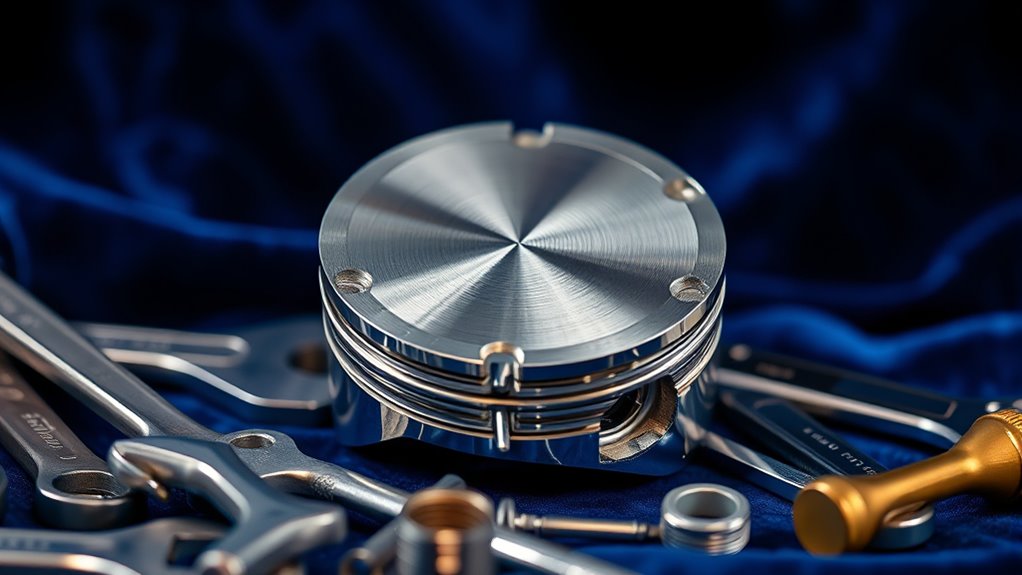
Do You Craft a Piston?
Are you tired of struggling with redstone contraptions in Minecraft? You’re not alone! Many players find themselves frustrated when trying to create complex machines.
Understanding how to craft a piston can be a game-changer in your building experience.
Yes, you can craft a piston in Minecraft using three wooden planks, four cobblestones, one iron ingot, and one redstone. Just arrange these materials on a crafting table, and you’ll create a piston, which plays a significant role in mechanics.
Its placement and maintenance are essential for ideal performance.
If you want to investigate materials, crafting techniques, and the latest trends in piston design, there’s much more to uncover ahead.
Key Takeaways
- Yes, you can craft a piston in Minecraft using three wooden planks, four cobblestones, one iron ingot, and one redstone.
- Use a crafting table to assemble the piston by placing materials in the specified arrangement.
- Pistons are essential for various mechanical functions in Minecraft, such as moving blocks and creating contraptions.
- Proper placement and maintenance of pistons enhance their performance and longevity in the game.
- Understanding piston mechanics can improve efficiency in building complex systems and Redstone devices.
Step-by-Step Guide: How to Craft a Piston
Crafting a piston in Minecraft is a straightforward process that can enhance your builds and mechanisms. To start, gather your piston materials: three wooden planks, four cobblestones, one iron ingot, and one redstone.
Use the crafting table for this assembly method. Place the wooden planks in the top row, cobblestones along the sides, and the iron ingot in the center, topping it off with redstone.
When crafting, consider design considerations like piston placement for peak performance optimization. You’ll want to ensure your piston is compatible with your other components.
Keep thermal management in mind, especially if your build involves machinery that generates heat. Once you’ve crafted your piston, remember to follow maintenance practices to keep it functioning smoothly.
Regular checks can prevent malfunctions, improving your overall experience in Minecraft. Now, get crafting and boost your creations!
Understanding the Role of Pistons in Engines
Pistons are essential components in engines, converting the linear motion of combustion into rotational power. The choice of piston materials plays a vital role in engine dynamics, affecting combustion efficiency and overall performance optimization.
Selecting materials with high heat resistance guarantees durability under extreme conditions. Vibration control also contributes to smoother operations.
Choosing heat-resistant materials ensures durability in extreme conditions, while effective vibration control enhances operational smoothness.
When crafting a piston, you must adhere to specific design specifications that align with your engine’s requirements. This involves careful material selection and understanding the manufacturing processes that yield the best results.
A well-designed piston utilizes mechanical advantage, maximizing the power generated from each combustion cycle. By focusing on these aspects, you can improve your engine’s functionality and longevity, ensuring it runs efficiently.
Ultimately, the right piston design boosts performance and contributes to the engine’s overall reliability.
Materials for Effective Piston Crafting
When you’re crafting a piston, picking the right materials is super important for how well it performs. You really want to find options that balance durability, performance, and cost. It’s all about getting the best results for your project, right?
Essential Material Types
Creating a reliable piston relies heavily on the materials you choose. Your material selection is essential for achieving desired performance considerations.
Start by exploring various alloy types, as they can greatly influence strength and weight. When considering manufacturing processes, think about how casting or forging affects your final product.
Surface treatments also play a crucial role; they can improve durability and reduce wear. Be mindful of environmental impacts too. Sustainable materials can benefit your project while meeting design specifications.
By understanding these factors and applying effective crafting techniques, you can guarantee your pistons perform at their best.
Prioritize quality materials to craft pistons that stand the test of time and function flawlessly in their intended applications.
Durability and Performance
Choosing the right materials directly impacts both the durability and performance of your piston. For ideal piston longevity, consider using high-strength alloys or advanced composites that withstand extreme temperatures and pressures.
These materials not only resist wear but also improve the overall performance of your engine. Additionally, ensuring precise machining and surface treatment can greatly boost durability, minimizing friction and maximizing efficiency.
When you select the right combination of materials and processes, you’re setting the stage for performance improvement. This leads to smoother operation and a longer service life.
Investing in quality materials may require a bit more upfront effort. However, the payoff regarding durability and performance is undeniable. Your piston deserves the best for optimal functionality.
Cost-Effective Options
While investing in high-end materials can boost performance, you can still achieve effective piston crafting on a budget. Choosing budget materials doesn’t mean you have to sacrifice quality.
When considering your design, think about how these options can meet your needs without breaking the bank.
| Material | Pros | Cons |
|---|---|---|
| Aluminum | Lightweight, durable | Can be more expensive |
| Cast Iron | High durability | Heavier than alternatives |
| Steel | Strong, versatile | Prone to rust |
| Plastic | Cost-effective | Less durable |
Essential Tools for Crafting Pistons
To craft a piston effectively, you’ll need the right tools at your disposal. Having the essential hand tools on hand is key to ensuring precision. Plus, don’t forget about safety equipment—it’s super important for keeping you protected while you work. So, let’s dive into what you’ll need to get started!
Required Hand Tools
When crafting a piston, having the right hand tools at your disposal is essential for achieving precision and efficiency.
You’ll need calipers to measure piston dimensions accurately, ensuring they meet design considerations for your specific engine compatibility. A micrometer is vital for checking tolerances, while files help refine edges during the final touches.
For material selection, a good set of chisels and hammers can aid in shaping.
Piston crafting techniques also require a sturdy workbench for stability during manufacturing processes.
Employing these tools improves performance optimization, allowing you to meet testing standards effectively.
Investing in quality hand tools will not only streamline your workflow but also enhance the craftsmanship of your pistons.
Safety Equipment Essentials
Crafting a piston can be exciting, but it’s crucial to prioritize safety throughout the process.
First and foremost, always wear appropriate safety gear, including goggles, gloves, and a dust mask. These items protect you from debris, chemicals, and harmful particles.
Make certain your workspace is organized and well-lit to improve workshop safety. Keep tools within reach and verify you’re using the right ones for each task.
Moreover, consider using a sturdy workbench to stabilize your materials and avoid accidents.
Finally, familiarize yourself with the machinery you’ll be using. Knowing how to operate your tools safely can prevent injuries.
Common Techniques for Shaping Pistons
Shaping pistons requires precision and a solid understanding of various techniques. You’ll want to start with careful alloy selection to guarantee the best wear resistance and manage thermal expansion.
Different alloys can greatly impact your piston geometry, so choose wisely based on your application. Next, employ various machining techniques, such as CNC milling and turning, to achieve the desired shape and dimensions.
These processes allow you to maintain tight tolerances essential in precision engineering. Once the basic shape is established, focus on surface finishing to reduce friction and improve durability.
Techniques like grinding and polishing can make a substantial difference in performance. Lastly, familiarize yourself with the specific manufacturing processes involved, as they can vary based on the piston design.
Testing Your Piston’s Performance
Once you’ve crafted your piston, it’s really important to test how well it performs. You’ll want to keep an eye on some key performance metrics and check out different efficiency testing methods. By doing this, you can make sure your piston meets the demands of your project.
Performance Metrics Analysis
Testing your piston’s performance involves a careful analysis of various metrics that determine its efficiency and reliability. You’ll want to compare your results against established performance benchmarks to verify your design meets industry standards.
Implementing optimization strategies can improve your piston’s overall output.
Here’s a simple table to help you track your metrics:
| Metric | Target Value | Actual Value |
|---|---|---|
| Compression Ratio | 10:1 | 9.8:1 |
| Peak Power (HP) | 150 | 145 |
| Fuel Efficiency (MPG) | 30 | 28 |
| Wear Rate (mm) | <0.1 | 0.08 |
| Temperature (°C) | <90 | 85 |
Efficiency Testing Methods
To guarantee your piston operates at peak efficiency, you’ll want to employ a variety of testing methods that accurately assess its performance.
Start by establishing clear efficiency metrics, like power output and fuel consumption. These will serve as benchmarks for your testing protocols.
Next, perform dynamic testing under various load conditions to simulate real-world usage. This helps identify how your piston responds in different scenarios.
Furthermore, consider using thermal imaging to check for hotspots and verify proper lubrication.
Don’t forget to analyze vibration data to detect potential issues early.
Troubleshooting Common Piston Crafting Issues
Have you ever found yourself stuck while crafting a piston? It can be frustrating when things don’t go as planned.
One common issue is poor piston alignment. Misalignment can cause uneven wear and reduce efficiency. To fix this, double-check your measurements and verify everything is square before you start assembling.
Another problem you might encounter is improper compression ratios. If your ratios are off, you’ll face decreased performance or even engine knocking. Use appropriate tools to measure your cylinder volume and adjust your piston design accordingly.
Improper compression ratios can lead to decreased performance and engine knocking; measuring cylinder volume is essential for adjustments.
Make sure to test your piston under various conditions to identify any additional issues. Don’t hesitate to refine your work; sometimes it takes a few tries to get everything just right.
Why Tolerances Are Key in Piston Engineering
While crafting a piston, understanding tolerances is crucial for peak performance. Tolerance measurements directly impact how well your piston fits in the cylinder, affecting everything from efficiency to longevity. A precise fitment guarantees that the piston moves smoothly, reducing friction and wear.
Here are a few key points to keep in mind:
Engine Efficiency: Proper tolerances result in ideal combustion and power output.
Wear and Tear: A fit that is too loose or too tight can lead to premature failure.
Heat Management: Correct tolerances help manage heat distribution and prevent overheating.
When you focus on these aspects, you improve the durability of your piston and boost overall engine performance. Remember, achieving the right tolerance measurements is a game-changer in piston engineering. Prioritize fitment, and your engine will thank you with better performance and reliability.
Latest Trends in Piston Design
As the automotive industry evolves, staying ahead of the latest trends in piston design is critical for maximizing engine performance. You’ll want to pay attention to advancements in piston aerodynamics, which greatly boost efficiency and power output.
Modern designs focus on optimizing airflow within the combustion chamber. This reduces turbulence and enhances combustion quality.
Additionally, design innovations like using lightweight materials such as aluminum or composite blends help lower the overall weight. This leads to better fuel economy.
Advanced manufacturing techniques like 3D printing allow for more intricate geometries. These can further elevate heat dissipation and strength.
Integrating smart technologies, such as sensors in pistons, can provide real-time data. This enables better engine management.
Crafting Custom Pistons: The Art Behind It
Custom pistons are a game-changer for those looking to improve engine performance beyond factory specifications.
Custom pistons revolutionize engine performance, pushing beyond factory limits for enhanced power and efficiency.
When you craft your own pistons, you can choose piston materials that maximize weight reduction and improve thermal management. Design innovations play an essential role in guaranteeing your pistons withstand high pressures and temperatures.
Here are some key considerations for crafting custom pistons:
- Precision machining: This ensures exact dimensions for ideal fit and performance.
- Surface treatments: These improve durability and reduce friction, enhancing lubrication techniques.
- Failure analysis: This helps identify potential weaknesses in design and manufacturing processes.
Frequently Asked Questions
What Is the History of Piston Development in Engineering?
The history of piston development in engineering is fascinating!
You’ll find that piston design evolved considerably, starting with the ancient Greeks’ steam engines.
Historical milestones include the invention of the steam engine by Thomas Newcomen in the early 18th century, which utilized pistons effectively.
Later, James Watt improved this design, leading to modern internal combustion engines.
Each advancement in piston design has shaped how engines operate today, showcasing innovation through the ages.
Can I Use Recycled Materials to Craft a Piston?
Yes, you can use recycled materials to craft a piston! Start by sourcing metal scraps or old machinery parts.
Utilize crafting techniques like welding or machining to shape and assemble your piston. Just make sure the materials are strong enough to handle the pressures involved.
Experimenting with different recycled components can also lead to unique designs. Remember to test your creation thoroughly to ensure it performs safely and effectively in your intended application.
How Do Environmental Factors Affect Piston Performance?
Environmental factors greatly affect piston performance. For instance, temperatures can vary by up to 40°F, impacting piston efficiency due to thermal expansion.
As heat increases, materials expand, which can lead to tighter clearances and increased friction. This friction reduces efficiency and can cause premature wear.
You need to take into account the operating environment. Humidity and altitude also play roles in engine performance, affecting how well your piston functions under various conditions.
Are There Specific Safety Precautions for Piston Crafting?
Yes, there are specific safety precautions for piston crafting.
When using piston crafting techniques, always wear appropriate protective gear like gloves and safety goggles.
Make certain your workspace is clean and well-lit to avoid accidents.
Handle tools safely and be aware of your surroundings to prevent injuries.
If you’re working with machinery, follow manufacturer guidelines for safe handling.
Staying focused and organized will help you maintain a safe environment throughout the crafting process.
What Are the Most Common Materials Used in Piston Manufacturing?
In terms of piston manufacturing, think of the materials as the backbone of a sturdy bridge.
Common piston materials include aluminum, known for its lightweight properties, and cast iron, which offers strength and durability.
Steel is also popular for its resistance to wear.
During the manufacturing processes, these materials undergo machining, forging, or casting to guarantee precision and performance.
Choosing the right material can make all the difference in efficiency and longevity.
Conclusion
Crafting a piston might seem intimidating, but with the right materials and techniques, you can really hit the ground running.
As you plunge into the world of piston engineering, keep in mind that precision is key to ensuring peak performance.
Whether you’re customizing a piston for a project or just exploring the craft, the journey can be incredibly rewarding.
So, roll up your sleeves and let your creativity shine. You might just create something extraordinary while crafting a piston!