Mastering Infinite Craft: Get Your Own Planet
Creating a captivating world can feel overwhelming. You’re not alone if you’ve ever struggled with designing the perfect landscape or ecosystem. Many people share the desire to master planetary crafting but often find themselves stuck at the starting line.
Mastering planetary crafting lets you transform your vision into a thriving world. You can design unique landscapes, climates, and ecosystems using essential tools like terrain generators and weather simulators.
With creative techniques and smart resource management, you’ll create balanced environments that address real-world challenges. Consider how species interact and the role of technology in your crafting process.
Keep exploring the endless possibilities to create your ideal planet, and you’ll uncover even more insights along the way.
Key Takeaways
- Learn to use essential tools like terrain generators and weather simulators for effective planetary crafting.
- Design diverse geographies and climates to create sustainable ecosystems and support varied life forms.
- Foster unique species interactions to enhance biodiversity and ecological resilience on your planet.
- Implement sustainable resource management techniques to ensure balance and minimal ecological disruption.
- Utilize virtual reality and AI tools for immersive design experiences and efficient landscape creation.
What Is Planetary Crafting and Why It Matters
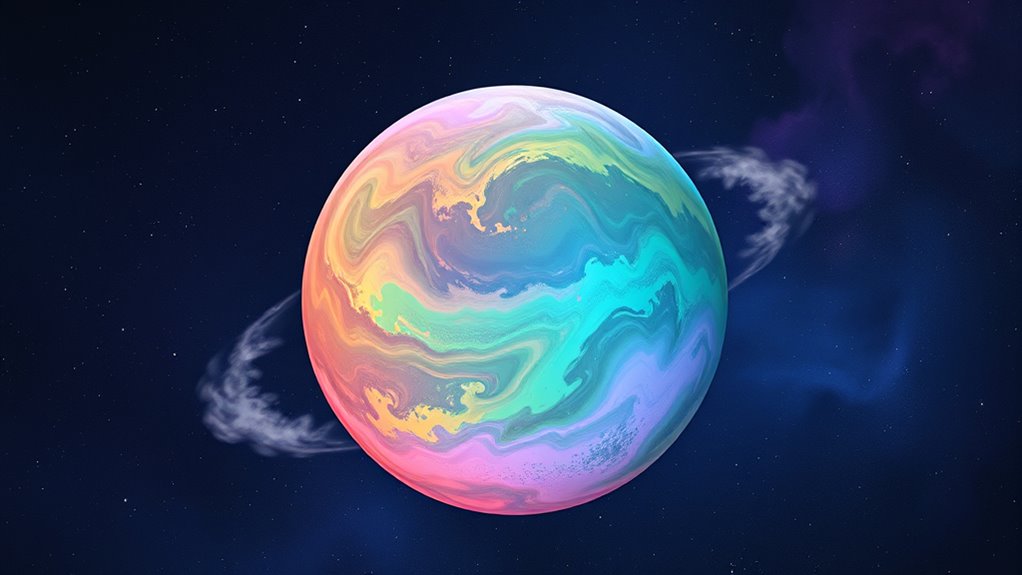
Planetary crafting is the art of transforming entire worlds into habitable environments. It’s become a crucial focus in both science and gaming.
You might wonder why it matters. The planetary significance of this practice lies in its potential to address challenges like resource scarcity and climate change. By understanding how to create sustainable ecosystems, you’re not just playing a game; you’re envisioning a future where humanity can thrive beyond Earth.
The potential of planetary crafting lies in its ability to envision sustainable futures, tackling resource scarcity and climate change.
The crafting benefits extend beyond mere survival. Engaging in planetary crafting improves problem-solving skills and fosters creativity.
It encourages you to think critically about environmental balance, resource management, and social structures. This hands-on approach cultivates a deeper appreciation for our own planet while inspiring innovative solutions to real-world issues.
As you master these techniques, you’re not only shaping virtual worlds but also contributing to the dialogue about our planet’s future and its possibilities.
Essential Tools for Planetary Crafting
Crafting a vibrant world requires the right set of tools. Understanding these essentials can make all the difference.
First, you’ll need reliable planetary tools, like terrain generators and weather simulators, to shape your environment effectively. These tools allow you to manipulate landscapes, create biomes, and establish ecosystems.
Next, mastering various crafting techniques is vital. Familiarize yourself with the art of texture layering and color blending to bring your planet to life.
Experiment with different combinations to achieve unique effects that resonate with your vision.
Don’t forget about resource management tools. They help you track and allocate materials efficiently, ensuring you have enough resources to implement your ideas without running dry.
Finally, always keep an open mind and be willing to adapt your approach. The right tools and techniques will empower you to create a world that reflects your imagination and creativity.
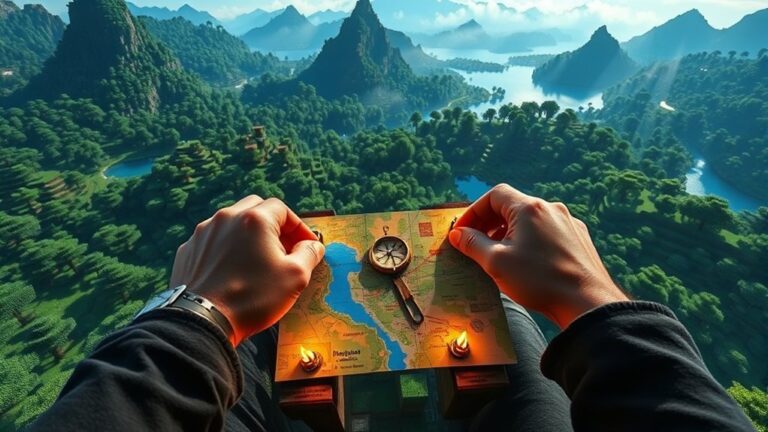
Designing Your Planet’s Geography: Landforms and Features
When you’re designing your planet’s geography, it’s super important to think about the unique landforms that will really give it character. You know, things like mountains, valleys, and plateaus can all shape how the environment feels. Plus, they can totally influence the climate in different areas.
Speaking of climate, consider how it interacts with the various biomes. It’s fascinating to think about how different ecosystems will emerge based on those landforms. For example, a mountain range might create a rain shadow effect, leading to lush forests on one side and arid deserts on the other. Pretty cool, right?
And let’s not forget about water features! Rivers, lakes, and oceans are crucial—not just for beauty, but for survival too. They provide habitats for countless species and are essential for the ecosystems to thrive. So, make sure to weave those water elements into your planet’s design to enrich its overall appeal.
Unique Landform Types
Creating a diverse array of unique landforms adds depth and intrigue to your planet’s topography. You can incorporate unusual terrains like towering cliffs, vast canyons, or fanciful formations resembling giant mushrooms.
Welcome geological diversity by allowing tectonic activity to shape alien landscapes. This creates valleys and peaks that tell a story of terrain evolution.
Consider how landform interactions can create stunning vistas, such as rivers meandering through rugged mountains. Environmental influences, like wind and water erosion, will further improve your aesthetic design.
Remember, these features can hold cultural significance for any inhabitants. This enriches their mythology and connection to the land.
Crafting these elements thoughtfully will make your planet feel alive and enchanting.
Climate and Biomes
Unique landforms set the stage for your planet’s climate and biomes. To create a thriving ecosystem, consider these essential factors:
- Climate Zones: Determine how elevation and latitude affect temperature ranges and weather patterns.
- Biome Interactions: Investigate how different biogeographical regions interact, shaping unique ecological niches.
- Seasonal Changes: Incorporate atmospheric layers that influence seasonal shifts, impacting flora and fauna.
- Soil Types: Understand how soil types affect plant growth and ecological succession, driving climate adaptation.
Water Features Design
Water features play an essential role in shaping your planet’s geography and ecosystem. By thoughtfully designing these features, you can improve aesthetics and promote aquatic biodiversity.
It’s also important to guarantee landscape harmony. Consider integrating sustainable irrigation and effective water source integration to maximize ecosystem services.
Here’s a quick overview of key aspects to keep in mind:
| Feature Type | Benefits |
|---|---|
| Lakes and Ponds | Support diverse aquatic life |
| Streams and Rivers | Aid in natural irrigation |
| Waterfalls | Boost visual appeal |
| Wetlands | Provide critical ecosystem services |
Incorporating these elements will not only beautify your planet but also create a thriving habitat that benefits all living beings.
Crafting Unique Ecosystems: Flora and Fauna Choices
When you’re crafting unique ecosystems, picking out distinctive plant species is super important for setting the stage. You really want to consider how animals interact with one another and their surroundings. This interaction helps create a vibrant balance that makes your ecosystem feel alive.
Selecting Unique Plant Species
While crafting a diverse ecosystem, selecting the right plant species is essential for creating a thriving environment.
Consider these key factors:
- Exotic Flora: Choose unique plants that add visual interest and attract diverse pollinators.
- Adaptive Traits: Opt for species with traits that help them flourish in your planet’s specific conditions.
- Symbiotic Relationships: Incorporate plants that support each other, enhancing growth and resilience.
- Seasonal Variations: Select species that offer color diversity and interest throughout the year. This ensures a dynamic landscape.
Designing Animal Interactions
Crafting a vibrant ecosystem goes beyond selecting unique plant species; it’s about how animals interact within that environment.
Consider the animal behavior and interaction dynamics you want to create. Investigate species communication, whether through vocalizations or body language, to improve complexity.
Think about habitat adaptation and how evolutionary traits shape survival strategies. Establish social structures that influence group dynamics, from pack hunting to solitary living.
Balance predator-prey relationships to maintain stability in your ecosystem. Introduce symbiotic relationships, where species benefit from each other, enriching the environment.
Don’t forget migration patterns and territory establishment, which add depth to animal interactions.
Balancing Ecosystem Dynamics
To achieve a balanced ecosystem, you need to carefully select both flora and fauna that complement each other. A diverse mix improves ecosystem resilience and fosters environmental stability. Here are four key considerations:
- Biodiversity Importance: Include various species to strengthen ecological succession and guarantee adaptability.
- Trophic Levels: Balance producers, consumers, and decomposers to maintain energy flow and nutrient cycling.
- Symbiotic Relationships: Choose species that support each other. This increases survival rates and habitat preservation.
- Species Interactions: Monitor how organisms interact. This ensures no single species dominates and disrupts the ecosystem.
Setting Your Planet’s Climate and Atmosphere
As you commence on the journey of setting your planet’s climate and atmosphere, consider how these elements shape the environment and influence life. Your choices will determine climate zones, atmospheric composition, and the overall balance of air pressure.
To effectively regulate temperature and create dynamic weather patterns, think about the greenhouse effects and how atmospheric gases interact. You’ll also want to account for seasonal changes, ensuring that life can adapt and thrive.
Here’s a quick guide to help you visualize your planet’s climate:
| Climate Zone | Key Features | Example Effects |
|---|---|---|
| Tropical | High temperatures, humidity | Lush vegetation |
| Temperate | Moderate temperatures, seasons | Diverse ecosystems |
| Polar | Cold temperatures, ice | Limited biodiversity |
These factors will not only define your planet’s character but also the types of life it can support.
Utilizing Resources: Essential Minerals, Water Types, and Energy Sources
To craft effectively, it’s super important to know about the essential minerals available on your planet and how they can influence your creations. Each mineral has its unique properties that can either enhance or limit what you can make.
Now, let’s talk about water sources. They’re not all the same! Different types of water can offer unique benefits for your projects, and understanding these can really elevate your crafting game.
Essential Minerals Overview
Essential minerals play a vital role in crafting a successful environment for your creations. Understanding the various mineral types and their applications can improve your resource availability. Here’s what you need to take into account:
- Extraction Methods: Different techniques impact efficiency and environmental considerations.
- Sustainability Practices: Prioritize methods that minimize ecological damage and guarantee long-term resource viability.
- Geological Formations: Know where to find minerals. Their location can influence both economic impact and extraction difficulty.
- Mineral Applications: Understand how each mineral serves your projects, from construction to energy generation.
Water Sources Comparison
While exploring various water sources, it’s crucial to recognize how your choices can affect both your projects and the surrounding ecosystem.
Ocean depths provide vast mineral deposits and support rich microbial life. However, extracting resources can disrupt aquatic ecosystems.
Freshwater sources are critical for many projects, but they require careful resource management to ensure sustainability.
You’ll want to consider atmospheric conditions that can influence water cycles, affecting availability and quality.
Implementing conservation strategies helps preserve habitats and maintains the delicate balance of these ecosystems.
Designing Intelligent Life Forms for Your Planet
Designing intelligent life forms for your planet involves a blend of creativity and scientific understanding.
Creating intelligent life forms requires a fusion of imagination and scientific insight to truly bring them to life.
You’ll want to reflect on various factors to create truly unique beings. Here are four essential elements to guide your design:
- Intelligent Design: Incorporate sentient traits that allow for problem-solving and social interaction.
- Evolutionary Pathways: Contemplate how your life forms adapt over time. This creates diverse species through natural selection.
- Habitat Diversity: Design environments that challenge your creatures. This promotes different survival strategies and environmental adaptations.
- Communication Methods: Develop unique ways for your life forms to interact. This could be through vocalizations, body language, or even telepathy.
Using Technology in Planetary Crafting
As you commence on the journey of planetary crafting, leveraging technology can dramatically improve your creative process.
Virtual reality immerses you in your designs, allowing you to experience your planet as if you’re really there.
Use simulation tools to visualize different ecosystems and climates, ensuring your creations thrive.
Artificial intelligence can assist in generating unique landscapes and intelligent life forms, making your world feel alive.
Creative software paired with 3D modeling lets you sculpt detailed terrains and structures.
Interactive design becomes effortless with game engines, enabling real-time adjustments and gameplay elements.
Collaborative platforms allow you to share ideas and work with others, enhancing your vision.
Data visualization tools help you analyze your planet’s features and populations, ensuring everything aligns with your goals.
Testing Your Planet’s Functionality and Balance
Before you release your planet into the cosmos, it’s essential to test its functionality and balance. This guarantees that life forms can thrive and your creation maintains stability. Here’s how to evaluate your planet:
Before launching your planet into the cosmos, ensure it’s tested for functionality and balance to support thriving life forms.
- Gravity Effects: Verify that the gravity is conducive for life. It should allow movement without hindrance.
- Atmosphere Layers: Check for appropriate atmosphere layers to support weather patterns. This also protects life forms from harmful radiation.
- Resource Sustainability: Assess the availability of resources to ensure ecological balance. Your planet needs to sustain itself over time.
- Geological Stability: Test for geological stability. This prevents catastrophic events that could disrupt life and planetary defense.
Sharing and Collaborating on Your Planet With Others
Once you’ve crafted your planet, sharing and collaborating with others can raise your creation to new heights.
By engaging in collaborative design, you invite fresh perspectives that improve your world. Utilize planet sharing platforms to connect with fellow creators and pool resources for greater impact.
Community feedback is invaluable; it helps refine your planet’s features and ensures it resonates with players.
Joint exploration can lead to exciting revelations, and integrating interactive features can boost multiplayer experiences.
Welcome co-creation processes to foster a sense of ownership among participants. This allows them to contribute their cultural influences and ideas.
Establish clear governance structures to guide collaboration, ensuring everyone has a voice in shaping your planet’s future.
This way, you create a vibrant, evolving environment that reflects the contributions of all involved.
Ultimately, collaboration not only enriches your planet but also builds a thriving community around it.
Frequently Asked Questions
Can I Create Multiple Planets at Once?
Yes, you can create multiple planets at once! However, you’ll face design challenges as you balance complexity and uniqueness.
Each planet needs careful planning to guarantee they feel distinct yet cohesive. Think about their ecosystems, climates, and aesthetics.
While it’s tempting to rush through, taking your time will improve the experience. Experiment with different themes and features to make each planet special.
This way, you’ll ensure you enjoy the creative process along the way.
What Are the Legal Implications of Owning a Planet?
Imagine standing on your own vibrant planet.
But before you get too excited, consider the legal implications. Planetary sovereignty isn’t straightforward.
International law largely sees planets as the common heritage of humanity. Interstellar treaties like the Outer Space Treaty prevent any one person from claiming a whole planet.
While you can dream big, it’s essential to navigate these legal waters carefully. You want to avoid stepping into a cosmic quagmire.
How Do I Monetize My Crafted Planet?
To monetize your crafted planet, start by focusing on planet branding. Create a unique identity that resonates with your target audience.
Use creative marketing strategies like social media campaigns, merchandise, or interactive experiences to draw attention.
Consider offering exclusive content or virtual tours that highlight your planet’s features.
Collaborate with influencers or brands to expand your reach.
Don’t forget to investigate potential partnerships that align with your planet’s theme for additional revenue streams.
Is There a Limit to Planet Size and Complexity?
You’d think there’d be no limit to planet size and complexity, right?
However, planetary physics imposes some intriguing size constraints.
As you design, you might run into scalability issues that challenge your grand visions.
The more complex your design, the harder it gets to manage.
So, while you can dream big, keep in mind that even the most imaginative worlds have their boundaries.
Adopt the balance between creativity and physics!
Can I Integrate Existing Planetary Features Into My Design?
Yes, you can definitely integrate existing planetary features into your design.
By utilizing feature integration, you can improve your planetary design, creating a unique environment that reflects your vision.
Think about how mountains, rivers, or forests can blend seamlessly into your concept.
Experiment with different combinations and see how they interact.
This approach not only adds depth but also brings a sense of realism to your creation.
It makes your design truly one-of-a-kind.
Conclusion
As you stand on the surface of your newly crafted planet, you watch vibrant forests sway under a lavender sky.
You realize the power of your imagination. Each mountain peak and glistening river reflects your vision, breathing life into a world all your own.
The thrill of creation ignites your spirit. It reminds you that in this infinite universe, your dreams are the seeds of reality.
So go ahead, nurture them. Share your wonders and watch them flourish.
Mastering infinite craft is the key to unlocking your true potential.