What Does a Quilt Mean?
If you’ve ever felt like your bedroom lacks that special touch or struggles to find both comfort and meaning in your bedding, you’re not alone. Many people want something more than a simple blanket—they’re searching for warmth, tradition, and a sense of connection.
That’s where quilts come in, offering not just coziness but a rich story woven into every piece.
A quilt means so much more than just a bed covering. It’s a vibrant blend of culture, memories, and artistic expression.
Each stitch connects generations, carrying family history and emotional ties. Quilts reflect individuality through patterns and styles, showcasing unique traditions and stories.
They symbolize comfort, warmth, and safety, providing both practical use and a sense of belonging.
You’ll find even deeper meanings and fascinating details as you investigate the world of quilting.
Key Takeaways
- Quilts are cultural artifacts that preserve heritage and showcase skilled craftsmanship. They reflect community traditions and values in ways that connect people across time.
- They serve as emotional connections, linking generations with shared memories and love through family histories.
- Quilts represent artistic expression, using color, texture, and innovative techniques to create unique designs.
- Patterns in quilts carry significant symbolism. They often reflect social issues and personal narratives of the creators.
- Proper care and maintenance ensure quilts remain cherished heirlooms. They symbolize warmth, comfort, and familial unity over time.
The Historical Significance of Quilts
Quilts have held significant historical value, not just as functional items but also as cultural artifacts. You might not realize it, but each quilt you see carries a story woven into its fabric.
They represent quilt heritage, showcasing the skilled hands of generations who passed down their textile traditions. When you investigate the patterns and materials used, you uncover a rich tapestry of history that reflects the lives and values of those who created them.
Quilting wasn’t just a practical endeavor; it often served as a social activity, bringing communities together. From the intricate designs that symbolize regional identities to the practical warmth they provide, quilts embody the essence of cultural continuity.
How Quilts Reflect Cultural Identity
Textiles can tell powerful stories, and quilts are no exception. They serve as a vibrant storytelling medium, reflecting cultural heritage and identity expression.
Each quilt you encounter showcases personal narratives woven into its fabric, highlighting the maker’s background and experiences. Through patterns and colors, quilts represent the diversity of regional styles and celebrate the unique traditions of various communities.
As you engage with these textiles, you’ll notice how they foster community bonding. Quilting brings people together for shared creation and storytelling.
Quilts also play a significant role in tradition preservation, making sure that cultural practices are passed down through generations. By embracing the art of quilting, you not only honor your history but also contribute to a broader dialogue about identity.
In this way, quilts become more than decorative items. They evolve into powerful symbols of belonging and connection, enriching our understanding of cultural identity.
The Emotional Significance of Family Quilts
When you wrap yourself in a family quilt, you’re not just feeling warmth; you’re embracing a tapestry of memories and emotions. Each stitch tells a story, linking generations through shared family memories.
You can almost hear the laughter and feel the love woven into every patch. This quilt isn’t just fabric; it represents emotional connections that run deep within your family’s history.
Whether it’s a gift from a beloved grandparent or a creation made during family gatherings, each quilt carries its own unique significance. It serves as a tangible reminder of moments spent together, offering comfort during tough times.
You might even find that the quilt evokes feelings of nostalgia, bringing back cherished memories with every use. In this way, family quilts become more than just decorative items.
They transform into cherished heirlooms, preserving the essence of your family’s love and unity for future generations.
Artistic Expression Through Quilting
Crafting a quilt is a vibrant form of artistic expression that goes beyond mere functionality. It lets you explore color theory and fabric selection, turning each piece into something unique.
Your choice of stitching techniques can enhance the design, and mixing different patterns adds depth and interest to your work.
Here’s a quick overview of essential elements in your quilting journey:
| Element | Description | Examples |
|---|---|---|
| Color Theory | Understanding color combinations | Complementary palettes |
| Fabric Selection | Choosing textures and patterns | Cotton, silk, blends |
| Stitching Techniques | Methods to improve design | Straight, zigzag, quilting |
Let your design inspiration draw from various art movements to guide your creative process. With the right quilting tools, each quilt becomes a canvas for your own expression, reflecting your personal style and vision.
Understanding Quilt Patterns and Their Symbolism
When you look at quilt patterns, you’re not just admiring their beauty—you’re actually uncovering layers of history and culture, too. Every design has its own story to tell, and these stories often reflect the values and traditions of the people who made them. So, when you start to understand these patterns, you can really deepen your appreciation for quilting as an art form, and also see how important it is to so many different communities.
Historical Significance of Patterns
Although quilt patterns may seem purely decorative, they carry deep historical significance and symbolism.
Understanding the quilt evolution reveals how these designs reflect the lives and experiences of those who created them.
Here are three key points about pattern diversity:
1. Cultural Heritage:
Many patterns originate from specific cultures, showcasing unique traditions and stories passed down through generations.
2. Social Commentary:
Certain designs communicate messages or reflect social issues, offering insights into historical contexts and community values.
3. Personal Narratives:
Quilters often immerse their patterns with personal meaning, representing milestones, memories, or emotions. This makes each quilt a unique storytelling medium.
Cultural Symbolism in Quilting
Quilting weaves together threads of culture and meaning, transforming fabric into a canvas of shared heritage. Each quilt you create or admire tells a story through its symbolic motifs, reflecting the values, beliefs, and traditions of its maker.
Whether it’s a star pattern representing hope or a floral design symbolizing growth, these elements communicate deeper sentiments. Quilts often serve as a medium for communal storytelling, where families and communities come together to share memories, celebrate milestones, or honor lost loved ones.
As you investigate different quilt patterns, you’ll uncover how they encapsulate histories and emotions. They remind us that every stitch carries significance.
In this way, quilting transcends mere craft and becomes an essential part of cultural identity.
The Techniques and Materials in Quilt Craftsmanship
Crafting a quilt involves a fascinating blend of techniques and materials that improve this art form.
To create a stunning quilt, you need to pay attention to several key elements:
- Fabric Choices: Selecting the right fabrics is vital; consider textures and patterns that complement your design principles.
- Batting Materials: Choose batting wisely, as it affects the quilt’s warmth and durability. Options range from cotton to polyester blends.
- Quilting Techniques: Experiment with various piecing methods and stitching styles to add depth and interest.
Utilizing the right quilting tools can streamline your process, ensuring precision in your work.
Think about color combinations that resonate with your vision while adhering to design principles.
Quilts as Symbols of Comfort and Security
The artistry in quilting goes beyond techniques and materials; it resonates deeply with emotions and memories.
When you wrap yourself in a quilt, it’s more than just warmth. It’s a sense of belonging and safety.
These handmade creations often serve as security blankets, providing comfort during life’s ups and downs.
Each stitch carries a story, linking you to cherished moments and loved ones.
Quilts become integral to your comfort rituals, whether you snuggle under one while reading or drape it over your lap during family gatherings.
They evoke feelings of nostalgia, reminding you of home and love.
The patterns and colors reflect personal histories, making each quilt unique to you.
In a world that often feels chaotic, your quilt stands as a steadfast reminder of stability and warmth.
It envelops you in a cocoon of reassurance.
Cherish these symbols of comfort; they truly enrich your life.
Modern Quilting Trends and Innovations
While you might think of quilting as a traditional craft, modern trends are reshaping its landscape with fresh ideas and bold techniques.
Today, quilters are adopting innovations that reflect contemporary values and aesthetics. Here are three key trends you should know about:
- Sustainable Materials: Many quilters are turning to eco-friendly fabrics and recycled materials, making quilts that are both beautiful and environmentally responsible.
- Digital Quilting: Technology is playing a significant role, with advanced software allowing you to create intricate designs, making quilting more accessible and efficient.
- Artistic Expression: Modern quilts often blur the lines between craft and art, featuring abstract patterns and unconventional layouts that challenge traditional quilting norms.
These trends not only improve the quilting experience but also connect you to a broader community that values innovation and creativity in this timeless craft.
Adopt these changes, and your quilting journey will be both exciting and meaningful.
How Are Quilts Made?
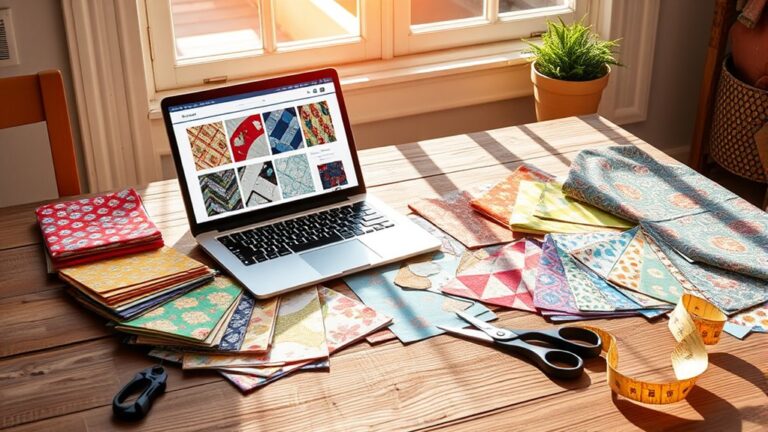
Quilts come to life through a thoughtful process that combines fabric selection, cutting, and stitching. First, you’ll want to choose fabrics that resonate with your vision. Consider colors, patterns, and textures that will work harmoniously together.
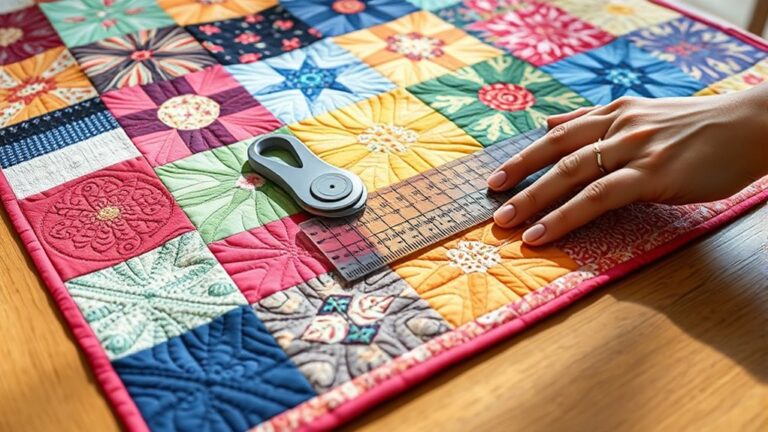
Once you’ve gathered your materials, you can begin cutting them into various shapes, often utilizing patchwork techniques. These methods allow you to mix and match pieces creatively, forming unique designs.
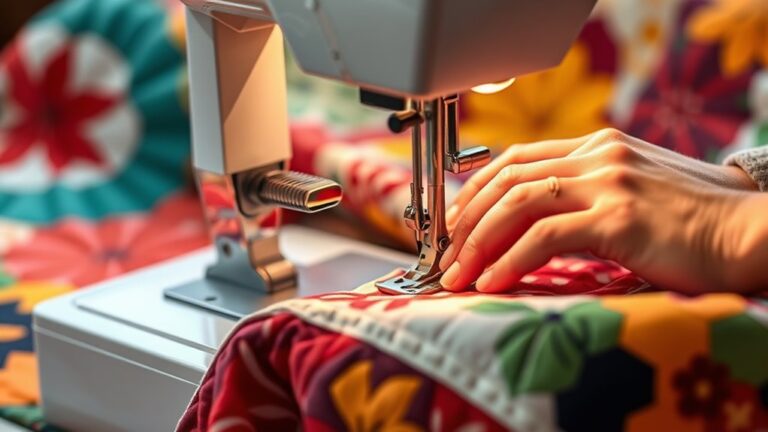
Next, you’ll lay out your cut pieces to see how they fit together. After you’re satisfied with the arrangement, it’s time to stitch them together. You can use a sewing machine or hand stitch, depending on your preference.
Finally, you’ll add batting and a backing fabric, sandwiching everything together before quilting it all in place. This meticulous process transforms your fabric choices into a beautiful, functional piece of art that tells a story through its design.
Caring for Quilts for the Future
Caring for your quilt is essential to preserve its beauty and integrity for years to come.
Proper quilt storage and regular maintenance can make a significant difference.
Here are some maintenance tips to keep your quilt in top condition:
1. Clean Carefully: Wash your quilt gently in cold water using a mild detergent.
Consider spot-cleaning or hand-washing for delicate fabrics.
2. Store Properly: Avoid folding your quilt to prevent creases.
Instead, roll it or store it flat in a breathable cotton bag to shield it from dust and light.
3. Avoid Direct Sunlight: Keep your quilt away from direct sunlight, which can fade colors.
If displaying it, use UV-protective glass.
Frequently Asked Questions
What Are the Best Fabrics for Making a Quilt?
When you’re making a quilt, the best fabric types include cotton, flannel, and batik. Cotton’s breathable and easy to sew, while flannel adds warmth and softness. Batik offers vibrant colors and unique patterns.
For fabric care, pre-wash your fabrics to prevent shrinkage and color bleeding. Iron them before cutting to guarantee accuracy.
Choosing the right fabric not only improves your quilt’s look but also its durability, making your project more enjoyable.
How Long Does It Take to Create a Quilt?
Creating a quilt can take anywhere from a few days to several weeks, depending on your approach. If you’re hand quilting, it’ll usually take longer than machine quilting.
Your quilt design and fabric selection also play essential roles. By mastering various quilting techniques and effectively managing your time, you can speed up the process.
Set realistic goals, and enjoy each step; the journey is just as important as the finished quilt!
What Tools Do I Need for Quilting?
For quilting, you’ll need a sewing machine, rotary cutter, cutting mat, and quilting ruler. Don’t forget fabric, thread, and various batting types depending on your project.
You might also want pins or clips for holding layers together. It really helps to familiarize yourself with different quilting techniques like stitch-in-the-ditch or free-motion quilting to improve your skills.
Gathering these tools will set you up for a successful quilting experience, helping you create beautiful, personalized quilts.
Can I Quilt Without a Sewing Machine?
Absolutely, you can quilt without a sewing machine! Hand quilting gives you a unique, personal touch.
You’ll need to choose your fabric selection carefully, ensuring it’s suitable for handwork. Mastering different quilting techniques, like running stitches or knots, will improve your project.
While machine quilting can speed things up, hand quilting allows for creativity and connection to your work. So grab your needle and thread, and enjoy the process!
How Do I Choose a Quilting Pattern?
Choosing a quilting pattern starts with your style preference. If you’re drawn to modern designs, look for geometric shapes or bold colors.
For a classic touch, consider traditional techniques like patchwork or log cabin patterns. Think about the fabric you’ve chosen, as it can influence your pattern selection.
Don’t hesitate to mix styles. Blending modern and traditional can create a unique quilt that reflects your personality and skills!
Conclusion
As you wrap yourself in a quilt, feel the whispers of history and the warmth of family stories woven into each stitch.
These handcrafted treasures aren’t just fabric; they embody love, tradition, and cultural identity.
Picture a cozy evening, the quilt draped over your lap, connecting you to generations past.
It’s more than just a cover; it’s a tapestry of comfort and a symbol of resilience.
So, welcome the art of quilting, and let its legacy cradle you through time—reminding you what a quilt truly means.